
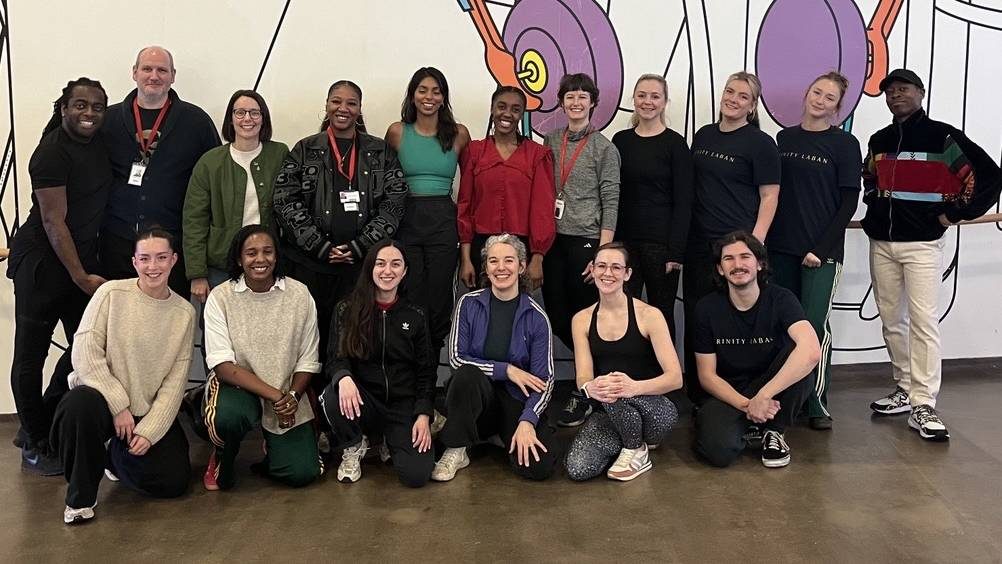
Earlier this month, alumni from our Centre for Advanced Training in Dance (CAT) reunited at our Laban Building in Deptford to celebrate 20 years of the CAT programme.
Bringing together former students, teachers, artists and colleagues from across two decades, the event reflected on the extraordinary growth and impact of a programme that has supported hundreds of young dancers since its launch in 2006. Guests heard from current and former CAT leaders, including Veronica Jobbins, who played a pivotal role in establishing the programme, and Laura Aldridge, Trinity Laban’s Head of Children and Young People’s Dance. Together, they reflected on the CAT’s founding ambitions, its evolution over the past 20 years, and its continuing commitment to nurturing the next generation of dance artists.
Established with support from the Department for Education, Trinity Laban’s Dance CAT was created to identify and develop young people with exceptional potential and passion for dance, regardless of their background or prior training. From the outset, the programme sought to combine rigorous technical training with creativity, collaboration and pastoral care — values that continue to underpin the programme today.
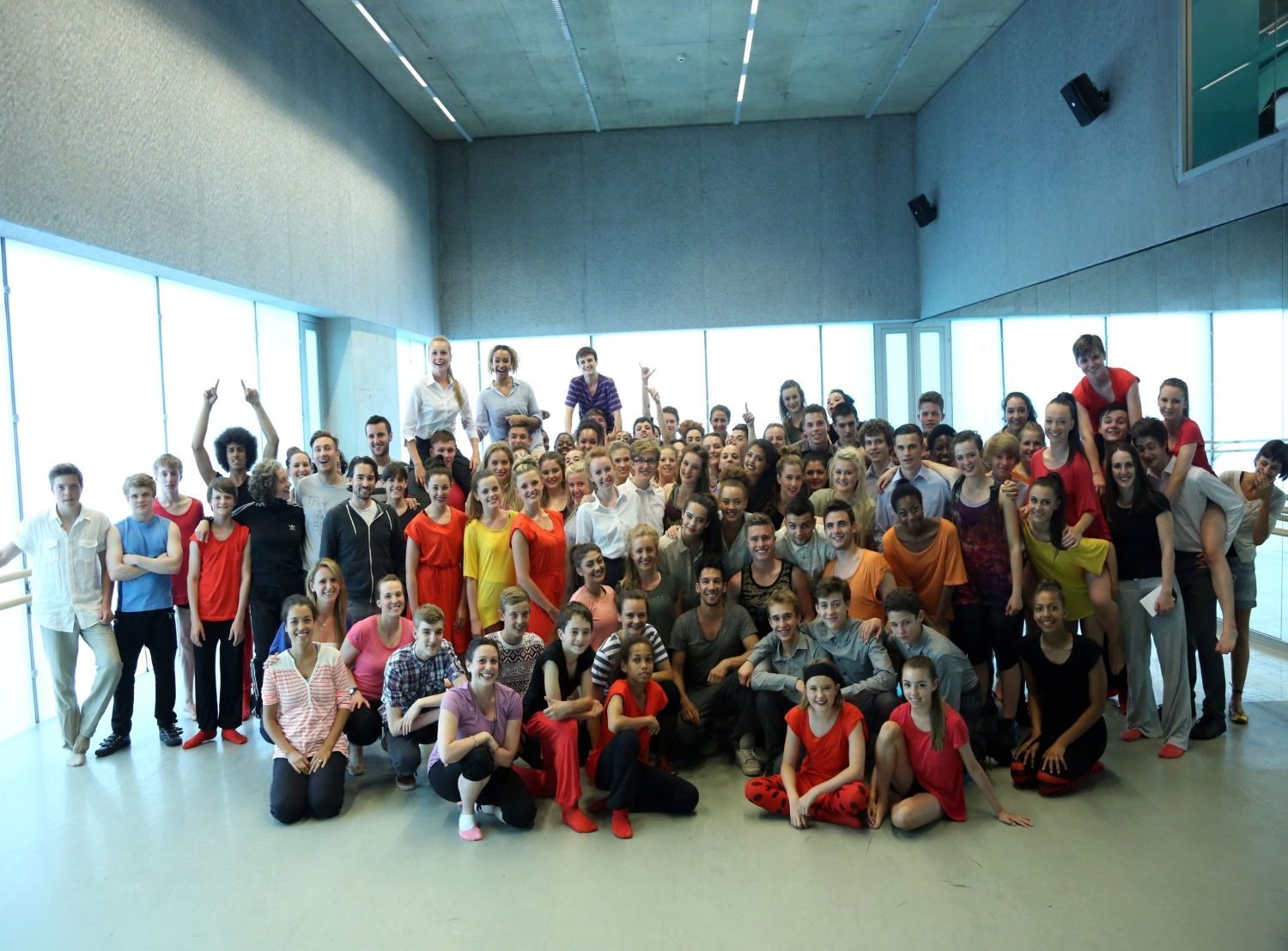
Since welcoming its first cohort of 31 students in 2006, Trinity Laban’s CAT has worked with 883 young people from across London and the South East. The programme now supports an average of 126 students annually and has become nationally recognised for its inclusive approach to advanced dance training.
Over the past 20 years, access and participation have remained central to the programme’s mission. More than two-thirds of CAT students have received financial support through Department for Education and Leverhulme bursaries, enabling talented young dancers from a wide range of socioeconomic backgrounds to participate. In recent years, the programme has also continued to diversify its student body, with 45% of the current cohort identifying as being from Global Majority backgrounds.
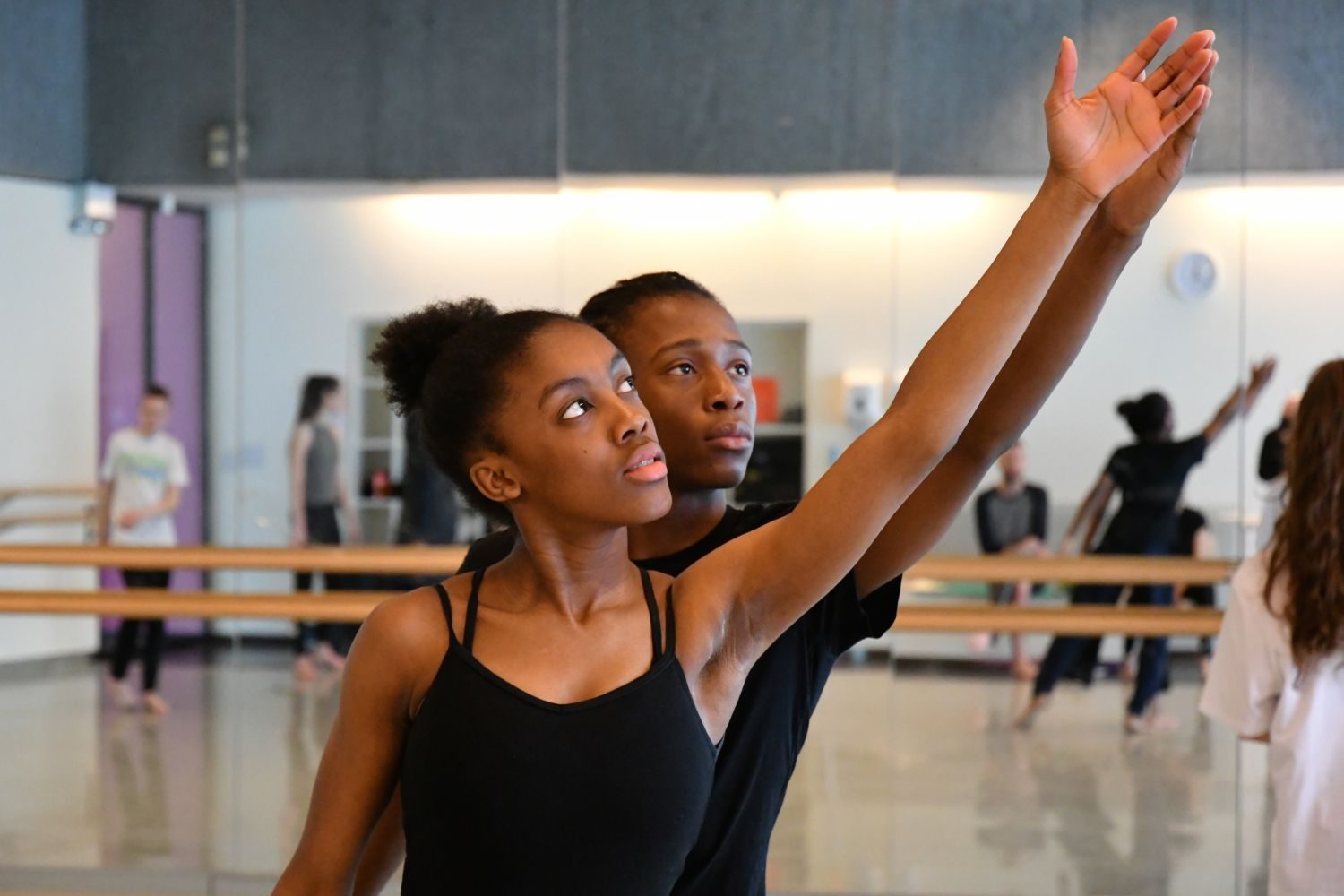
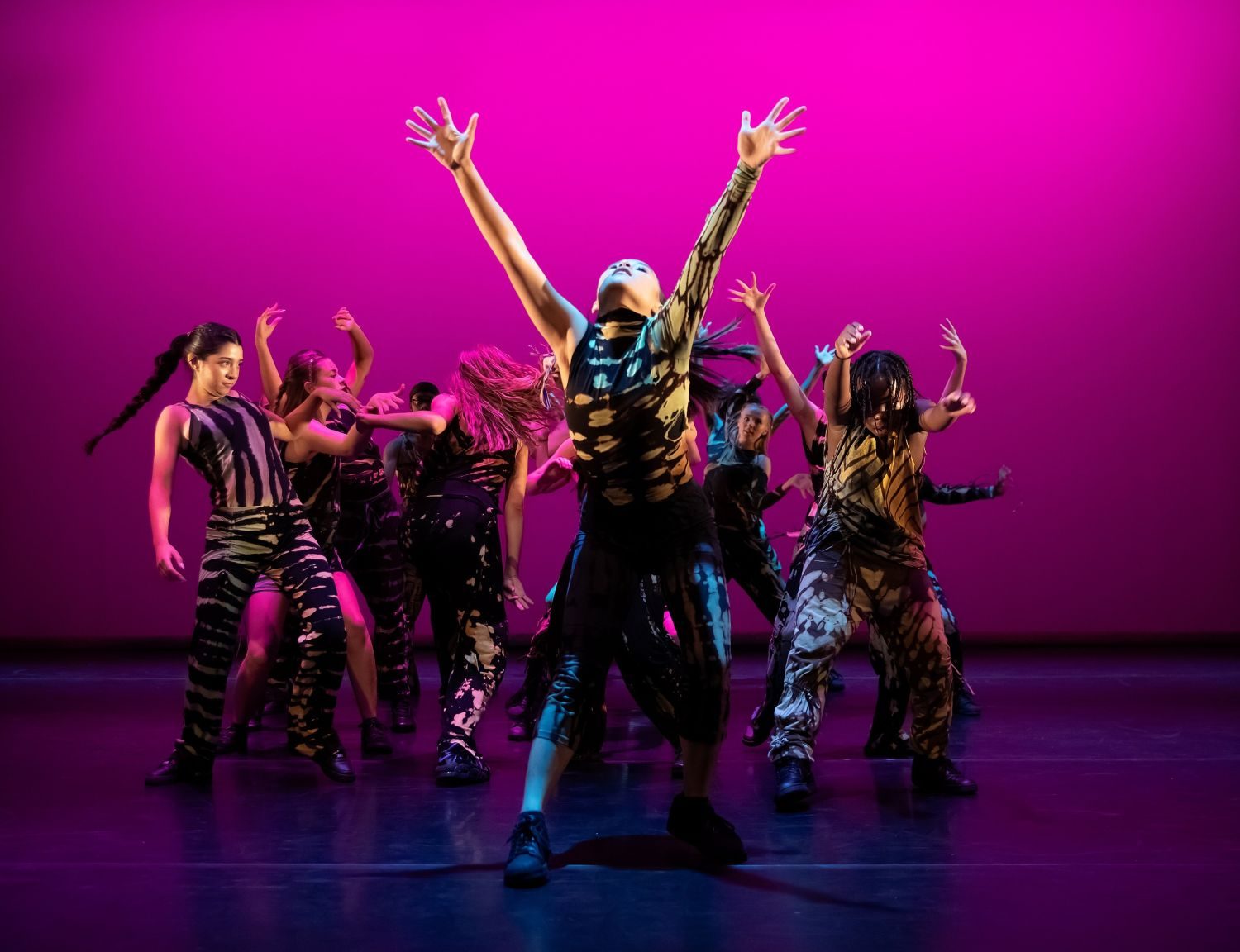
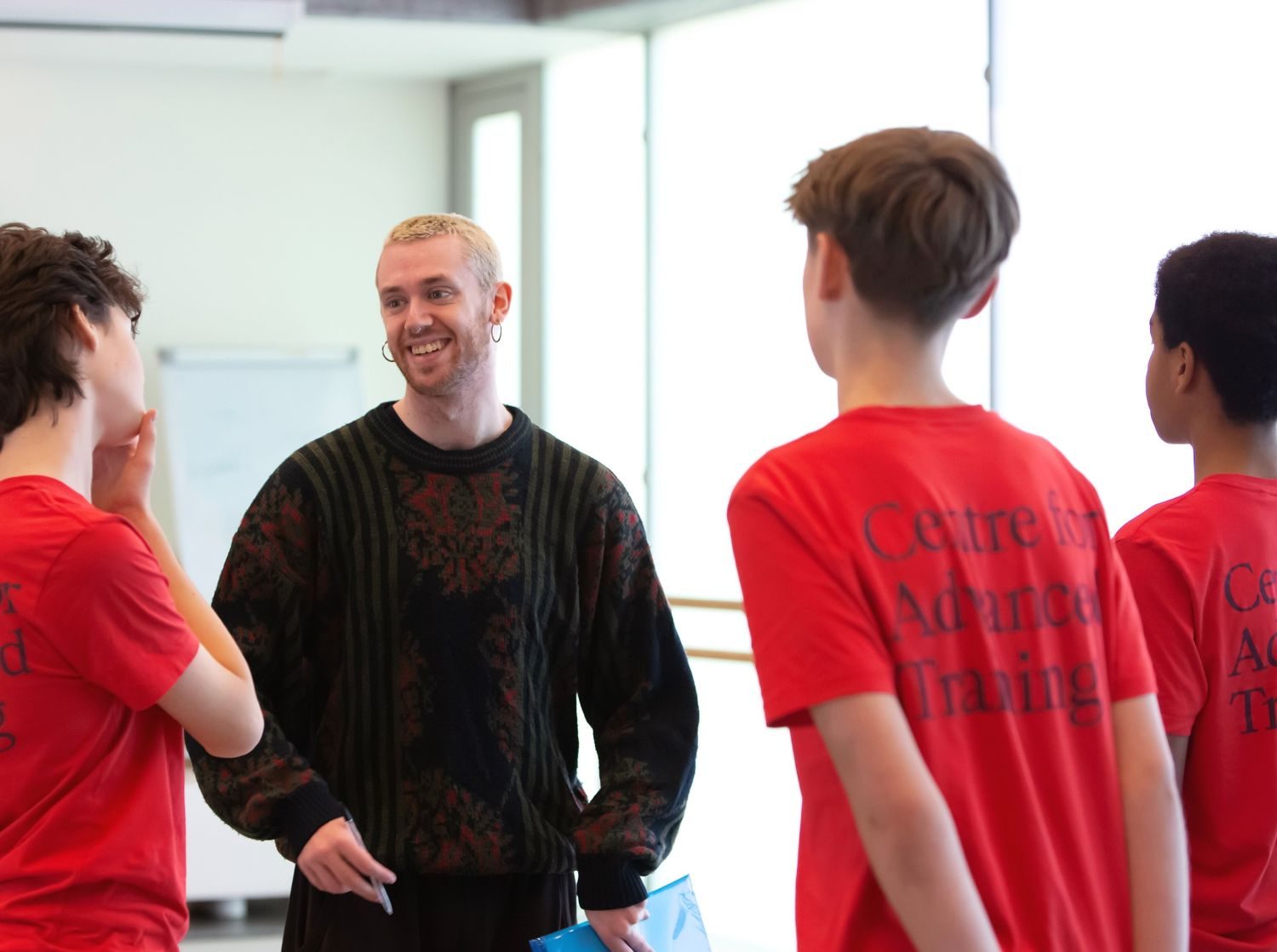
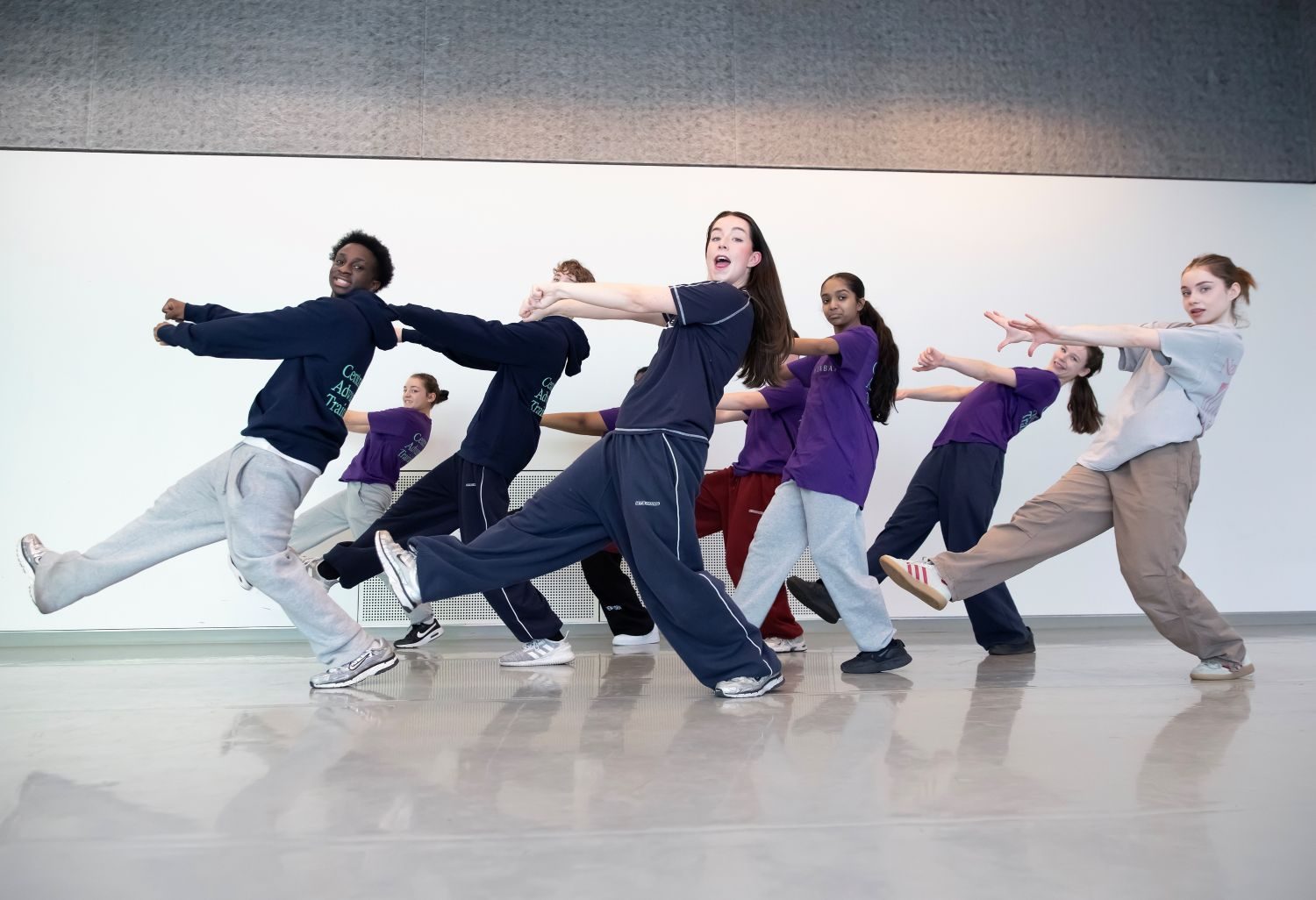
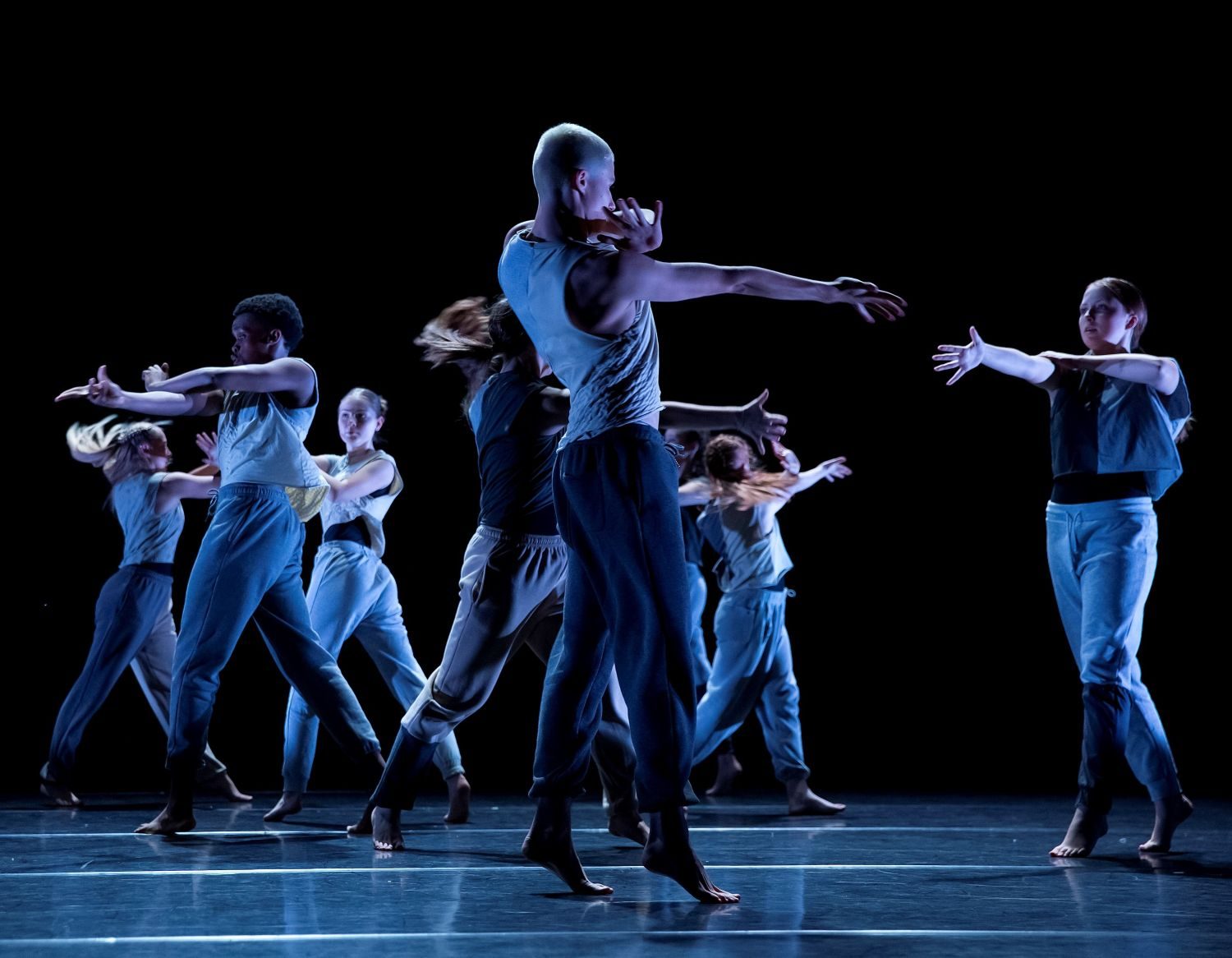
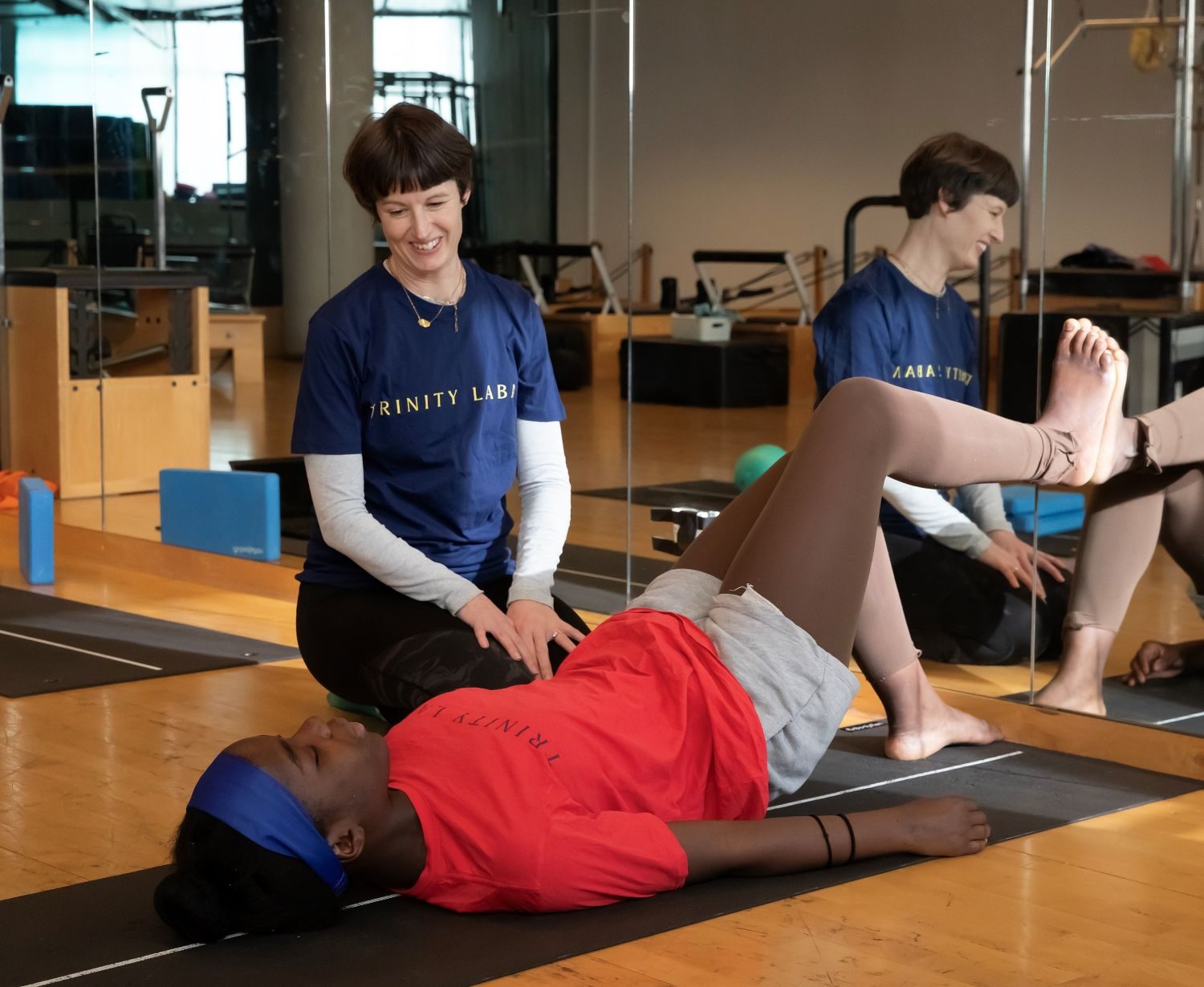
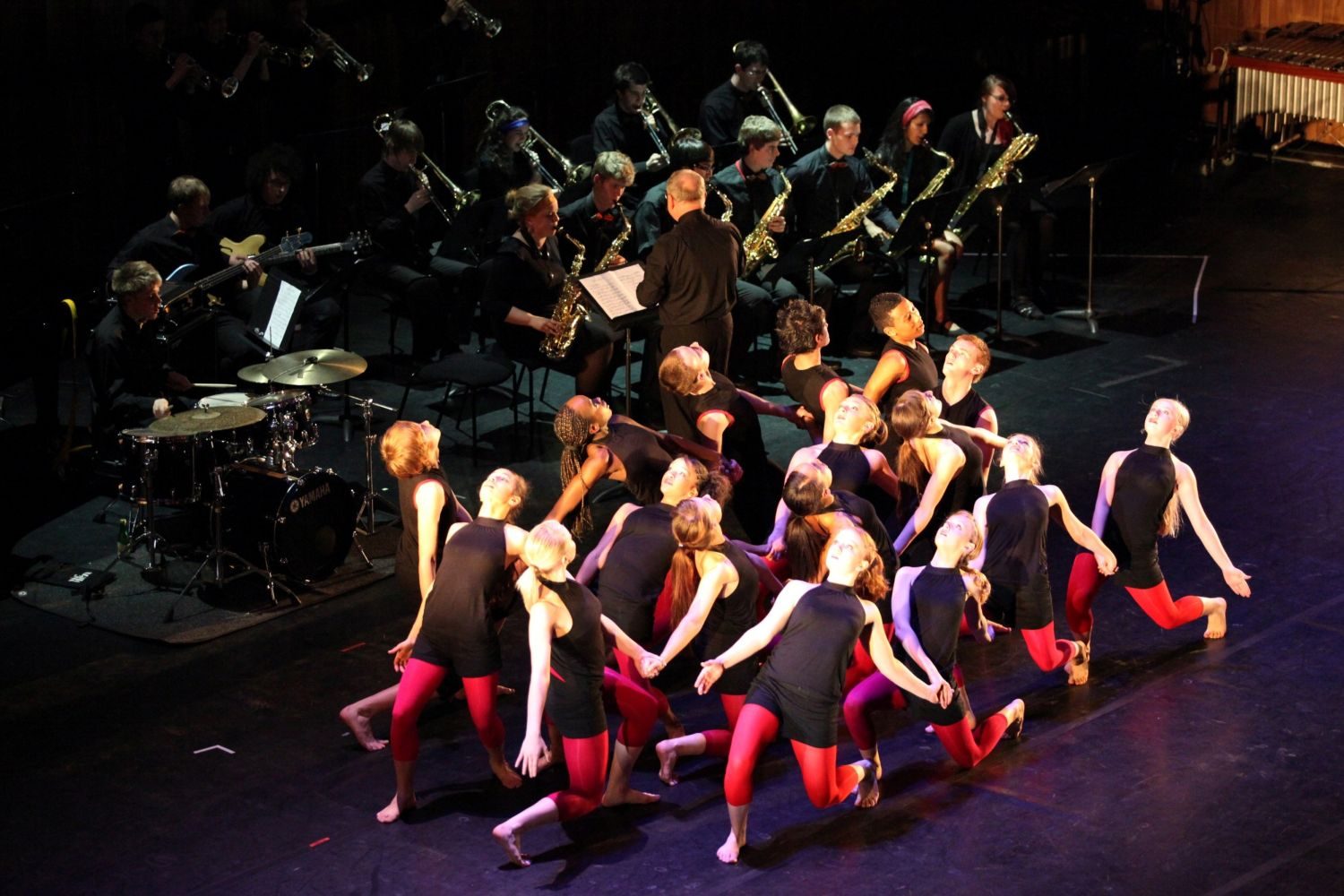
Speakers at the celebration reflected on the programme’s distinctive curriculum, which has always combined technical excellence with creative exploration. Rooted in Trinity Laban’s pioneering approach to dance education, the CAT integrates contemporary dance, ballet, choreography and performance enhancement training, while encouraging young dancers to develop their own artistic voice. In 2021, Hip Hop was introduced as a core technical strand alongside Ballet and Contemporary, broadening students’ movement vocabulary and expanding future training and career pathways.
The celebration also highlighted the impact of Trinity Laban’s extensive outreach work. Between 2020 and 2024 alone, the CAT engaged more than 7,400 young people through workshops and activities delivered in partnership with 121 schools and community settings across the region. Although national outreach funding has since been reduced, Trinity Laban remains committed to ensuring that talented young people from all backgrounds can access high-quality dance training.
Reflecting on the role the programme played in shaping their artistic and personal development Former student George Gregory, now a performer with Matthew Bourne’s New Adventures, said “I feel CAT allowed me to begin developing my artistic identity quite young, so now I feel self-assured and confident in who I am as an artist and am therefore able to try and take better advantage of the opportunities that come my way.”
Former CAT student and resident choreographer for Cabaret West End Alanna Kajdi said: “The CAT scheme definitely solidified for me my aspiration to pursue a career in the arts.”
Today, Trinity Laban CAT alumni are performing and creating work across the dance and wider cultural sector, including with organisations such as BalletBoyz, Rambert, Studio Wayne McGregor and Punchdrunk, alongside many independent artists, choreographers, educators and creative practitioners. Since 2011, 98% of Year 13 graduates from the programme have progressed into Higher Education, with the majority continuing into dance training and professional careers.
The event concluded with thanks to the many teachers, artists, coordinators and dance science specialists who have contributed to the CAT over the past two decades, as well as recognition of the strong community that continues to connect generations of students and staff.
As Trinity Laban’s Dance CAT enters its third decade, the programme continues to evolve while remaining grounded in the same core ambition that inspired its creation 20 years ago: to provide ambitious young dancers with exceptional training, creative opportunity and a supportive artistic community in which to thrive.