
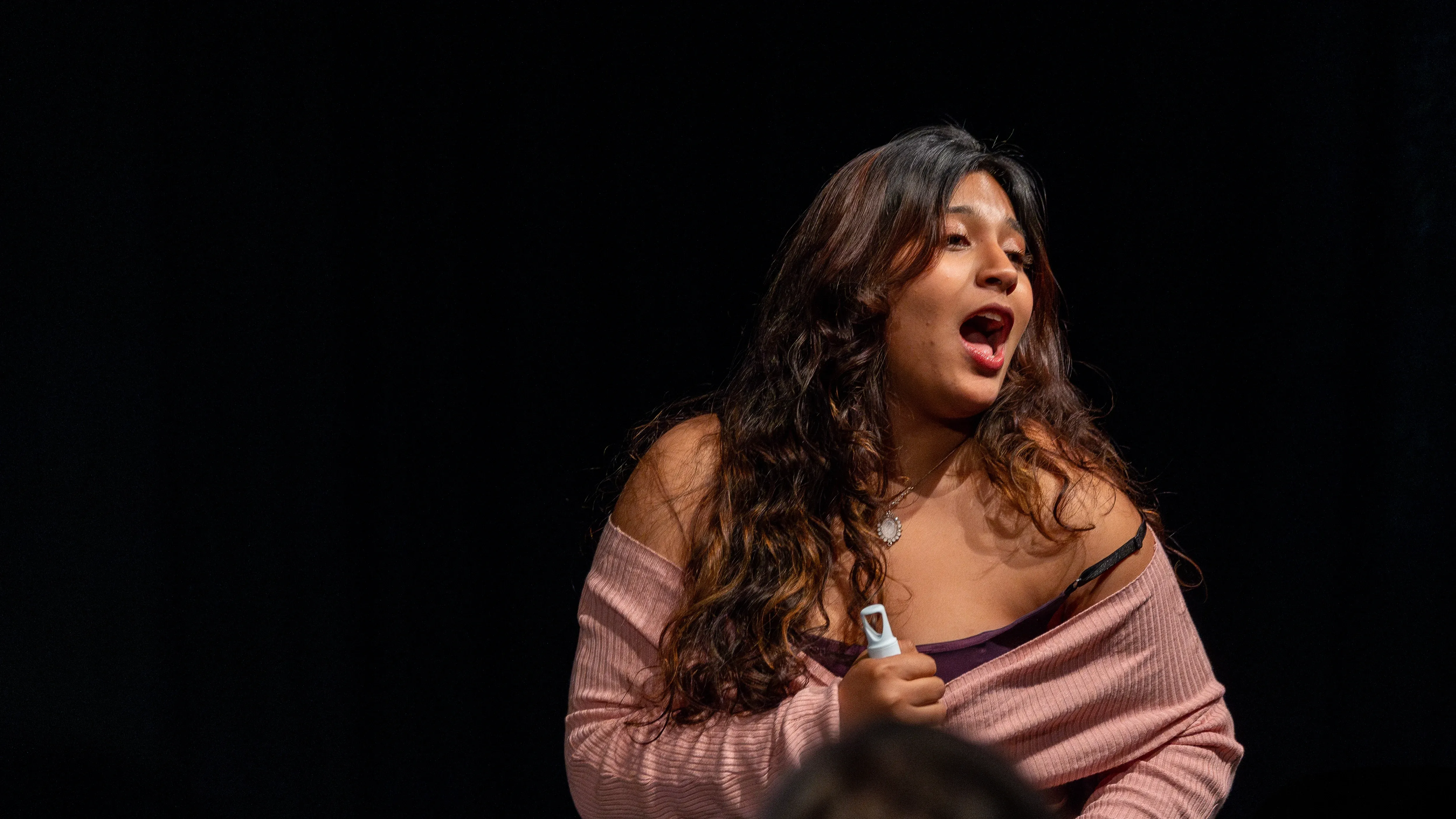
Liyuu Arora dives into opera and the importance of music education in schools
In March 2026, the Trinity Laban Symphony Orchestra took to the stage of Blackheath Halls to perform Ravel’s colourful music. Guided by a presenter, the performance allowed primary school pupils to be immersed in the composer’s music and discover how different orchestral instruments depict emotion through sound. Structured like a detective investigation, it was a highly interactive show and allowed the children to share their opinions on the music, as well as ask questions. For many, it was their first time experiencing a professional orchestra playing in front of them.
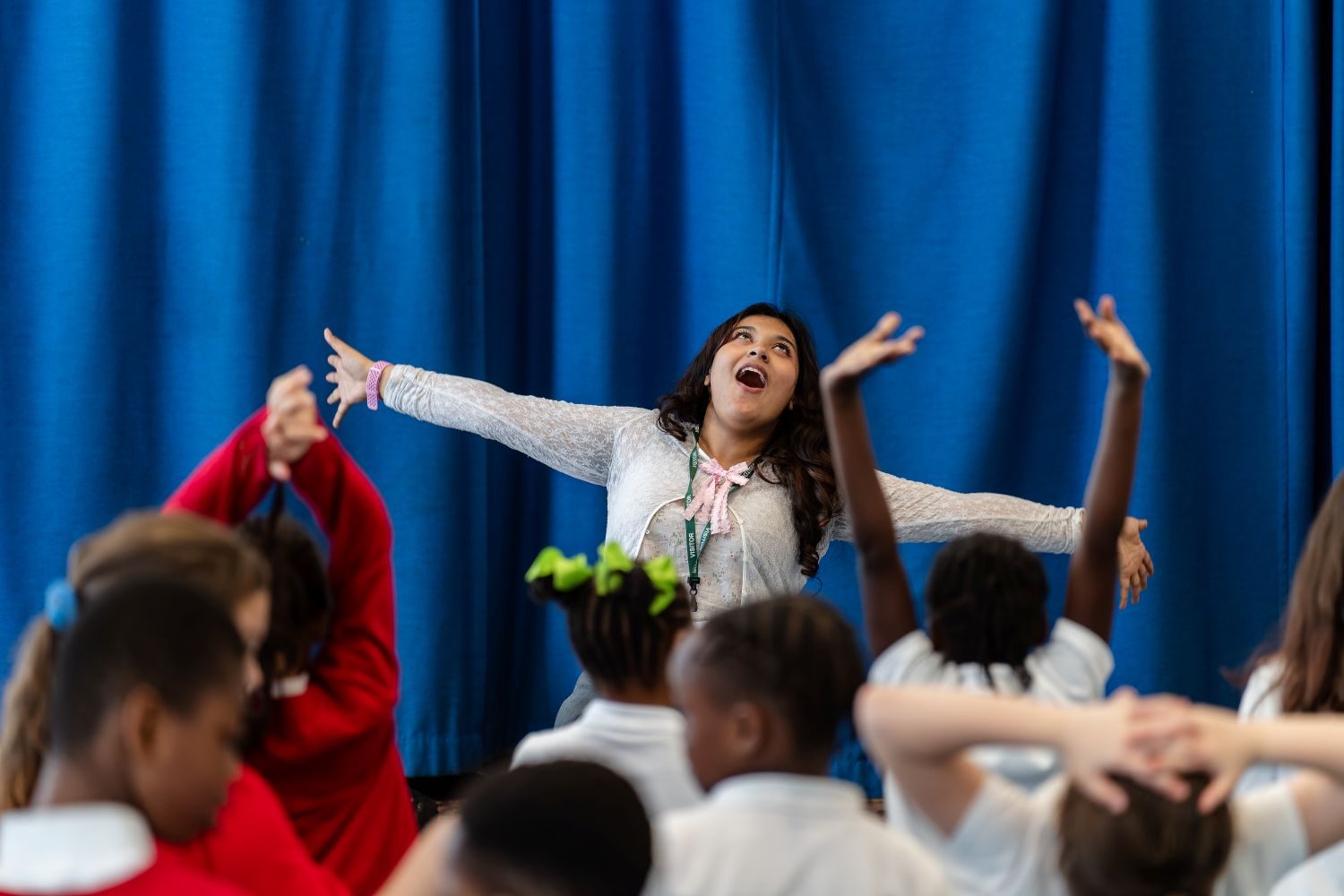
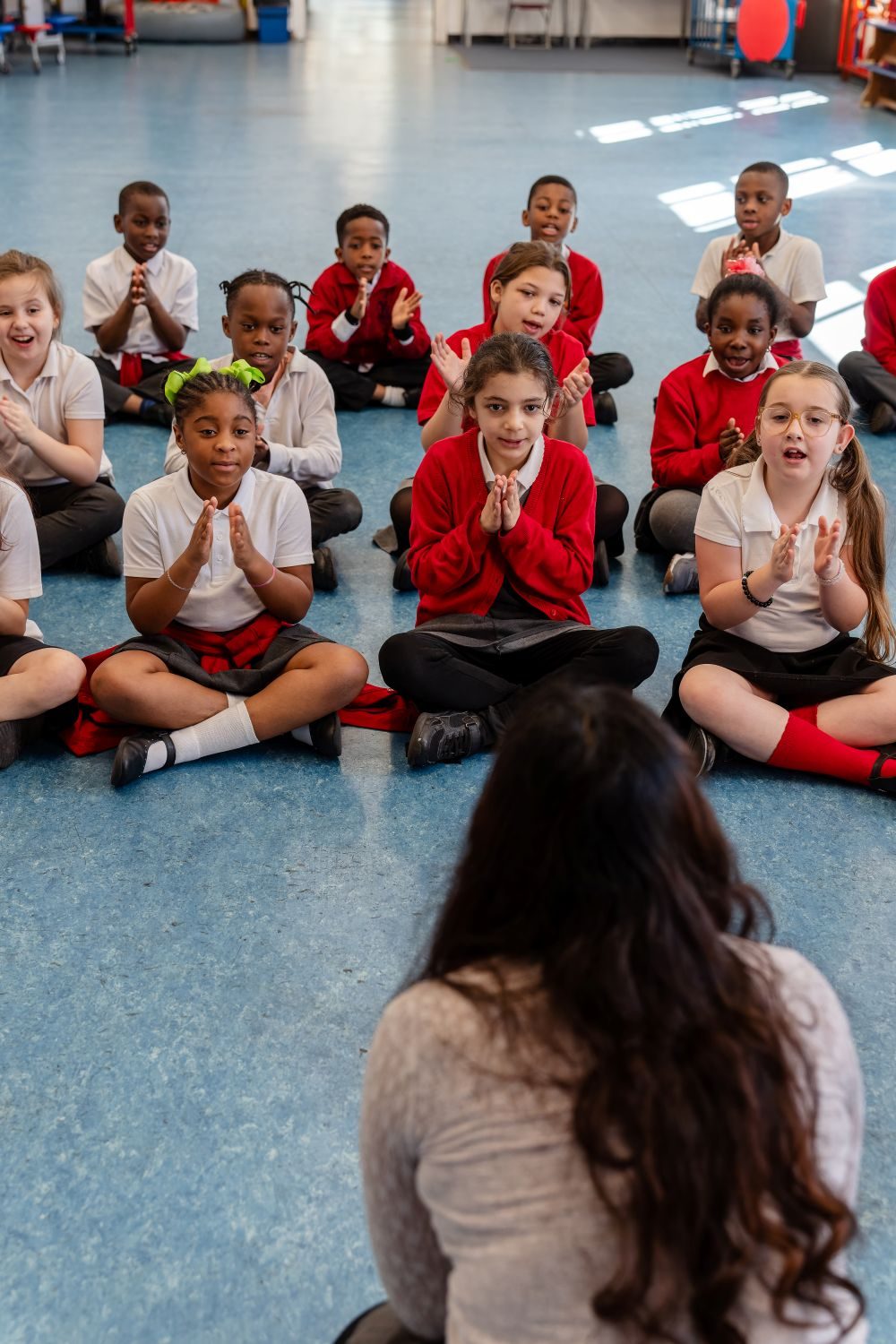
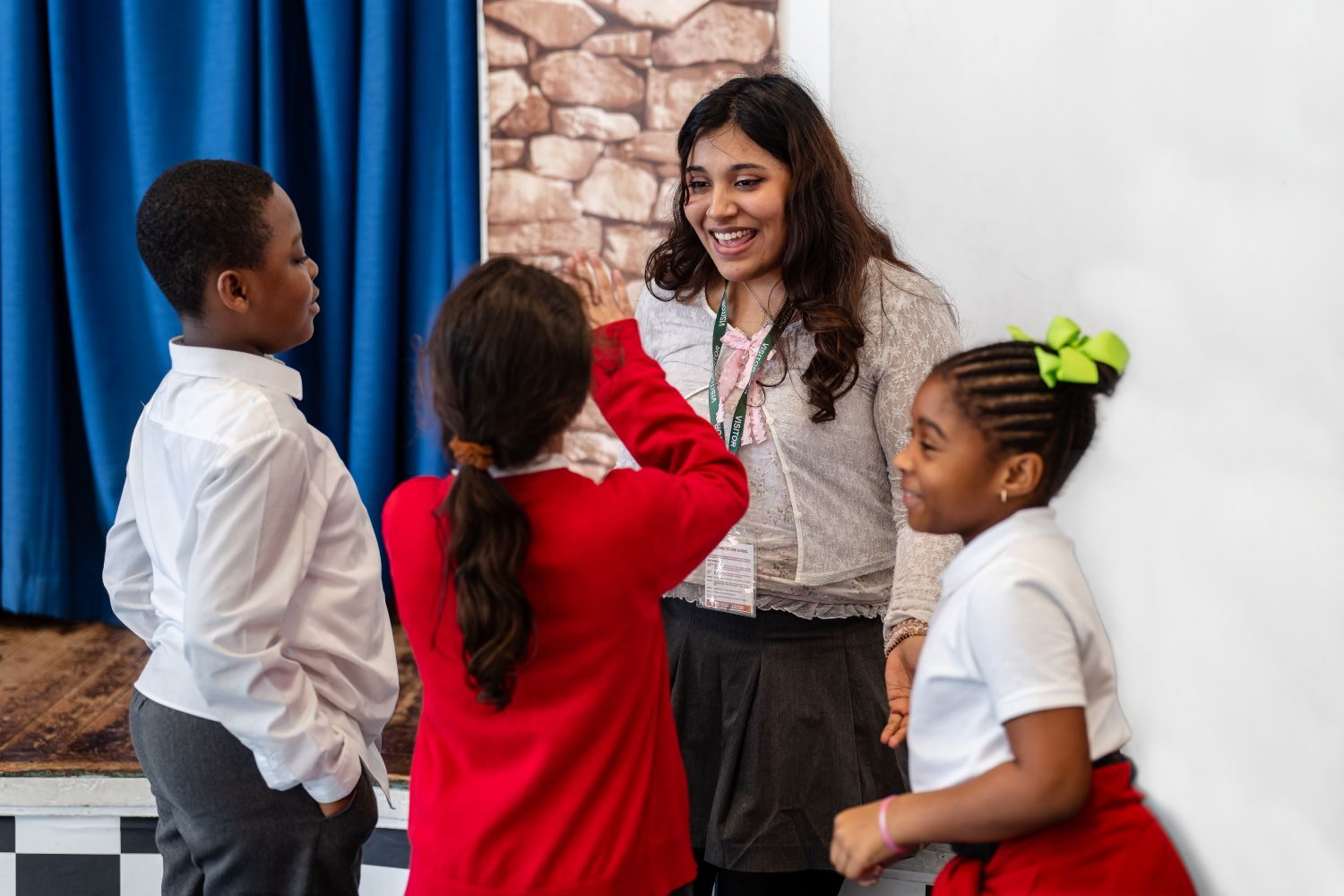
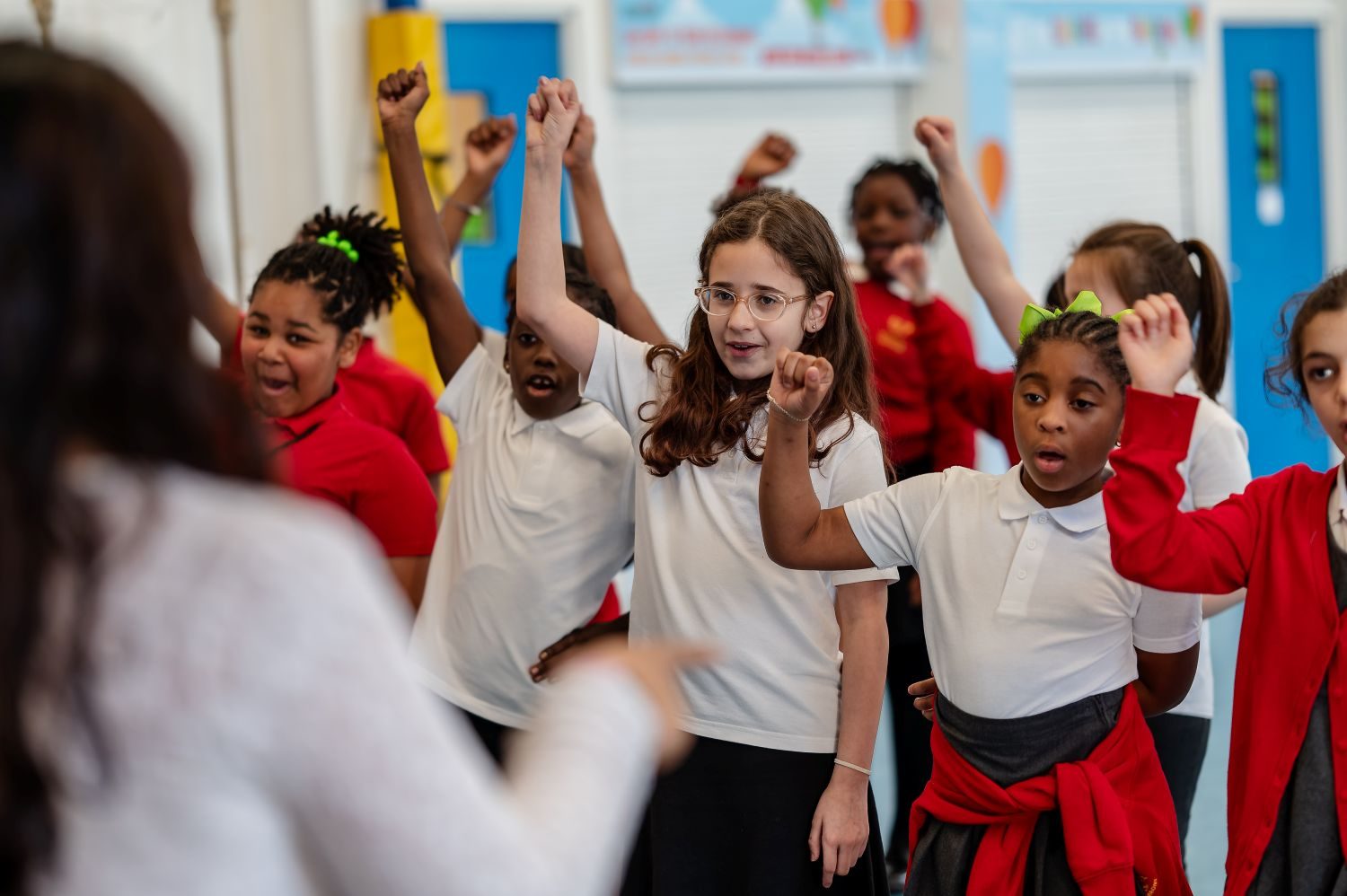
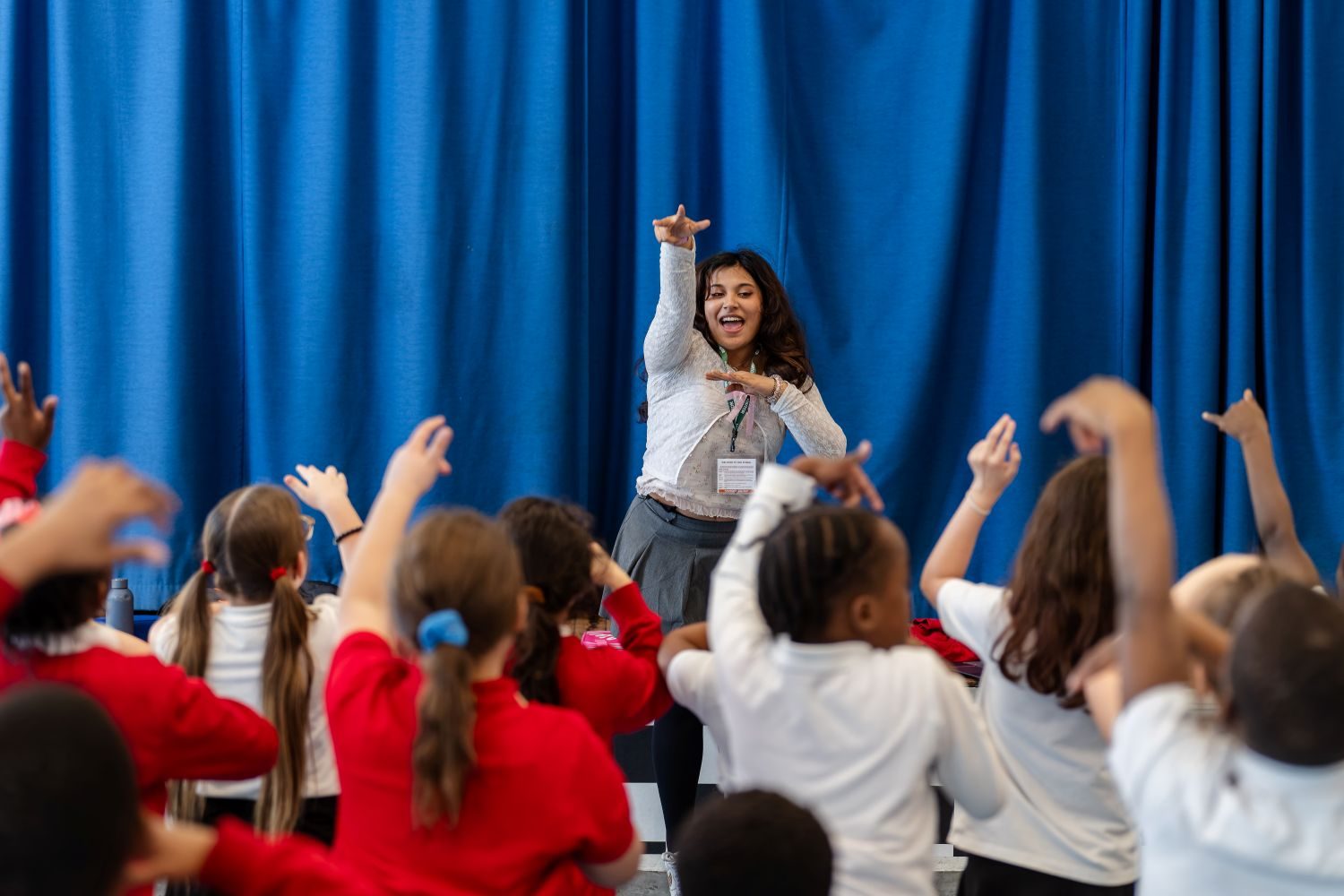
During the concert, the children sang Ravel’s famous Bolero melody with the orchestra, as reimagined by West African music icon Angelique Kidjo in her song, “Lonlon”. Trinity Laban vocal students, including Liyuu Arora, visited schools to inspire and help the children with this project. “It was an honour to sing in the West African Mina language about love and unity, and pass this musical message onto children in Key Stage 2,” says Liyuu, who is currently studying in the foundation year of the Bachelor of Music. “It’s really out of the ordinary. Seeing kids all across south east London sing together as if they’ve known each other their whole lives was wonderful. There was one moment when everyone had to close their eyes and imagine the music. Seeing the smiles and hearing the imagination of the younger generation is invaluable – they’re already hearing the birds, smelling summer, reflecting on their memories through the music. The performance was also a great cultural experience for them – some of the children I worked with told me that they speak the language [Mina] and their classmates got to know more about them as a result.”
Before this project with the Children and Young People’s Department at Trinity Laban, Liyuu never properly had the chance to teach. “I was nervous to begin with,” she says. “but the nicest part about the work is getting to relay information I’ve been taught to younger people. I saw the primary school children that I’d taught in the crowd and they were doing the arm motions we’d learnt together, they were shouting the loudest, waving at me the whole time because we’d really bonded in our sessions. I felt like I’d come full circle, as I also studied at a primary school at Tower Hamlets. When music teachers came in for a session or workshop, they really inspired me. To be on the other end of that feels amazing. You can tell which children feel a little discouraged at first, and I was like that myself when I was younger. Being able to bring them out of their shell and show them that there are people doing the things that they dream of is magical. It made me feel so happy when some of the children said they wanted to be like me, because I wanted to be just like the people who taught me in the past.”
Music is about listening to each other. We need to hear from a lot of different people to make a collective decision if something is good or not.
Liyuu has loved singing, acting, and drama since she was a child. She made the decision to pursue opera and classical music after her first singing lesson at GCSE. “My singing teacher told me that my voice was suited to opera and I should pursue it. I never really paid attention to opera before that because I had a very closed mindset. I thought it was an artform only the elite listened to. It felt really complex and I wasn’t sure I’d even be able to watch one. However, after thinking about it, I realised that opera includes everything I’m interested in and passionate about. I just didn’t know I could be in it. With the encouragement of my teacher, I started to think I could perhaps delve into this world. I have a lot of drive and motivation because I had really unfortunate circumstances [growing up] and I really wanted to get out of my situation. I wasn’t sure I would be able to go to university or college, but I thought that if I made a strong attempt to train myself at such a niche subject, there could be an amazing way forward. A lot of people previously told me that I was really good for a kid in foster care – but I just wanted to be someone that was really good, full stop. It motivated me to access as much as I could, to network with lots of people. I wanted to be in classical music and opera to see what it’s like to have someone like myself in it. I really, really enjoy it. It makes me feel like I was made for this.”
Liyuu’s desire to access music education has hugely informed her work in schools and instilled a drive for positive change. “Music is something that originated from people spending time and creating ideas together,” she says. “For it to be restricted for people that need the company or artistic outlet the most makes me really upset. I understand the need for selective places, but many people are being cut off even before the entry point, including at primary school. We don’t get a lot of funding for learning or creating music in the UK. I wasn’t able to get proper music lessons until my GCSE. I would really love it if more students could have access to these free introductory sessions. There are so many creative people out there and we’re just not listening to them – they don’t have any chance to be heard. Music is also about listening to each other. We need to hear from a lot of different people to make a collective decision if something is good or not. If we shut people out, we’re diminishing what could be done.”

Liyuu highlights two organisations that she worked with to enhance her music education prior to joining Trinity Laban. The charity Arts Emergency empowers, connects, and develops under-resourced young people to be their most aspirational selves through individual mentoring and tailored assistance. Liyuu was paired with soprano alum and Trinity Laban teacher Grace Carter, who works in the Musical Theatre Department. They worked together in a couple of sessions on audition preparation, music theory, and vocal performance. “It was the first time that I got to work with someone properly besides my 20 minute singing lessons at GCSE that took place once a week and then stopped. Grace was really lovely and helpful – we went through the first steps to take when you are faced with a new piece.”
SpringForward also worked with Liyuu, an organisation offering educational outreach opportunities to improve outcomes for children in care. Liyuu was paired with Trinity Laban alum and teacher Heidi Pegler, who was able to give three sessions covering the basics ahead of her first term. “Universities and conservatoires are very independent, so Heidi gave me tips on how to structure my day. It was such a unique experience, I never even dreamed of having sessions with someone that skilled.”
There’s no harm in trying, as long as you show that you’re someone who has drive.
From the programme SpringForward, Liyuu was invited to a meeting in the Department of Education in Westminster. “I got to speak to the Permanent Secretary at the Department for Education, Susan Acland-Hood, who was really lovely,” she says. “She wanted to hear about my experiences of being someone who used to be homeless and worked as a child, having immigration struggles even though I’m born here, being very low income. It was very, very difficult, but I was someone who saw education as a clear path. In the meeting, I was able to speak about my experience and give insight into how the Department could handle these situations and recognise more foster children. Helping people in the way I can, with something I’m so passionate about, is amazing.”
As a result of this meeting, Liyuu was invited to the Buckingham Palace Garden Party through the Department of Education. The theme of 2026 is “Unsung Heroes” and Liyuu saw an opportunity to share her ideas.
Recently performing with the Scherzo Ensemble, Liyuu’s musical journey continues to rapidly evolve. “The acceptance letter from Trinity Laban really helped me, as it meant I could begin a new chapter,” she reflects. “I would recommend any aspiring students to audition. There’s no harm in trying, as long as you show that you’re someone who has drive. In terms of singing, it’s great to have extensive background knowledge, but it’s not fundamental. If someone is able to pick you out of the crowd based on your passion and willingness to learn, you will end up successful. Trinity Laban has been really accommodating in terms of making me feel comfortable, because I felt very nervous when I started. I’ve been able do interesting extra-curricular activities and meet lots of different people through them.”