The Great Wave: a groundbreaking opera by Dai Fujikura and Harry Ross
In the early 1830s, Japanese artist Katsushika Hokusai created The Great Wave off Kanagawa as the opening work of his series, Thirty-six View of Mount Fuji. Two centuries later, the print has become a global phenomenon.
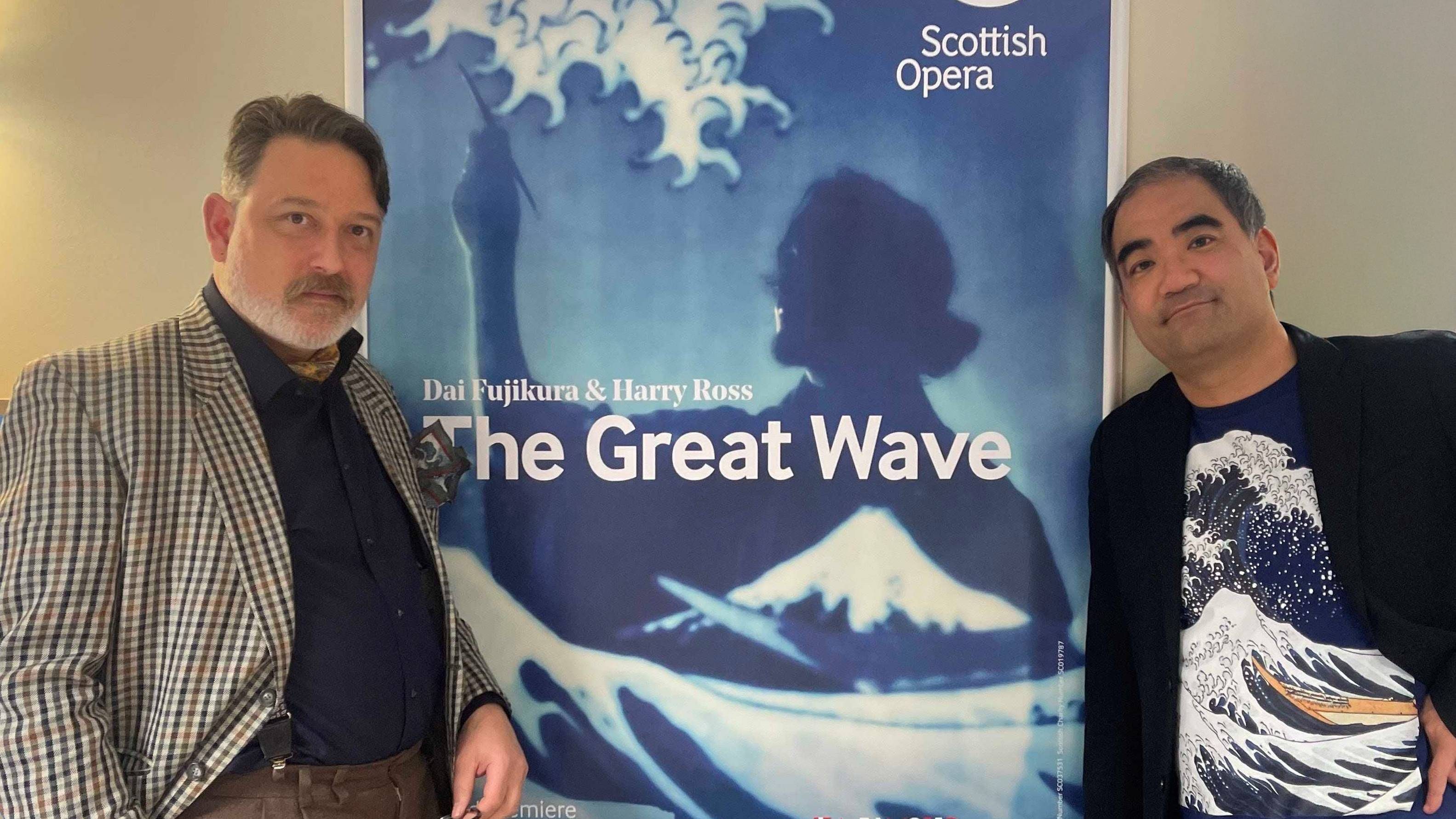
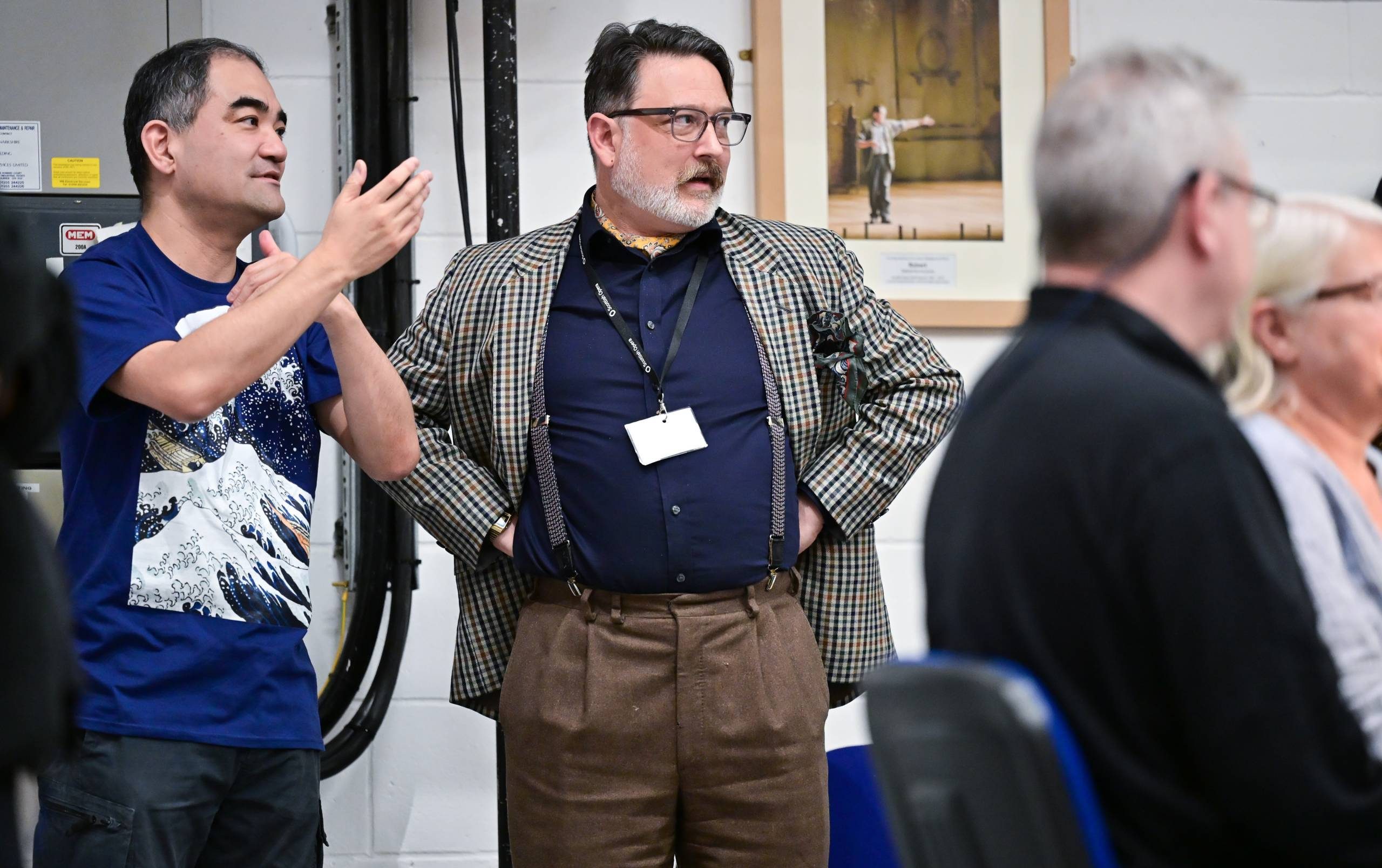
Who was the man behind the art? This is the question that composer Dai Fujikura and Harry Ross were intent on answering. Having met at Trinity Laban in the ‘90s, the musicians joined forces to create Dai’s fourth opera, The Great Wave, which premieres on 12 February 2026 at Theatre Royal Glasgow. The large-scale international collaboration between Scottish Opera and KAJIMOTO builds on centuries of cultural exchange between Scotland and Japan. Directed by Satoshi Miyagi, the work explores Hokusai’s creative triumphs and struggles, as well as the bond with his daughter Ōi. This relationship redefined Japanese painting and printmaking and changed the global art world and popular iconography forever. We spoke to Harry and Dai about their artistic collaboration and what it took to bring this prolific artist to the operatic stage.
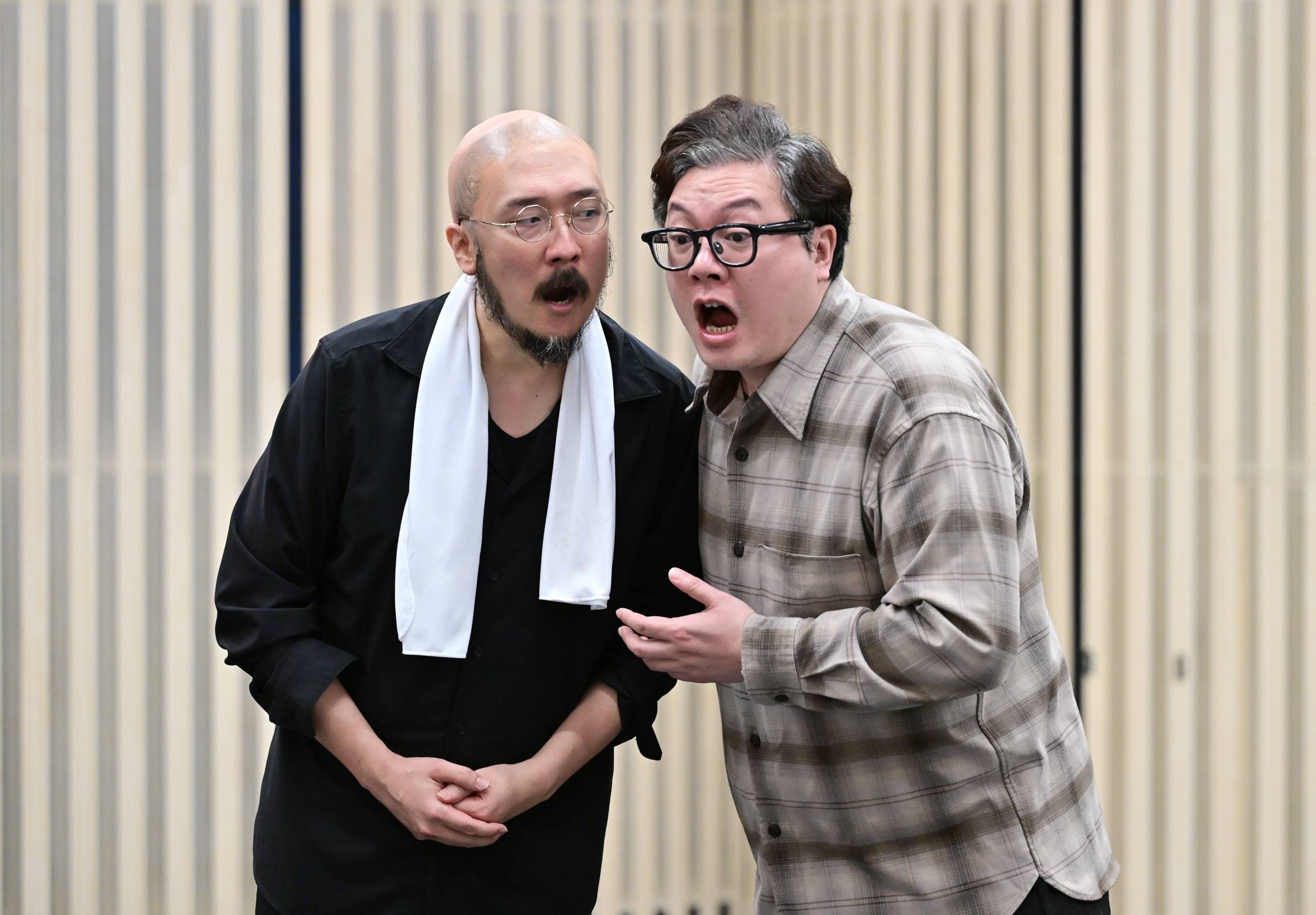
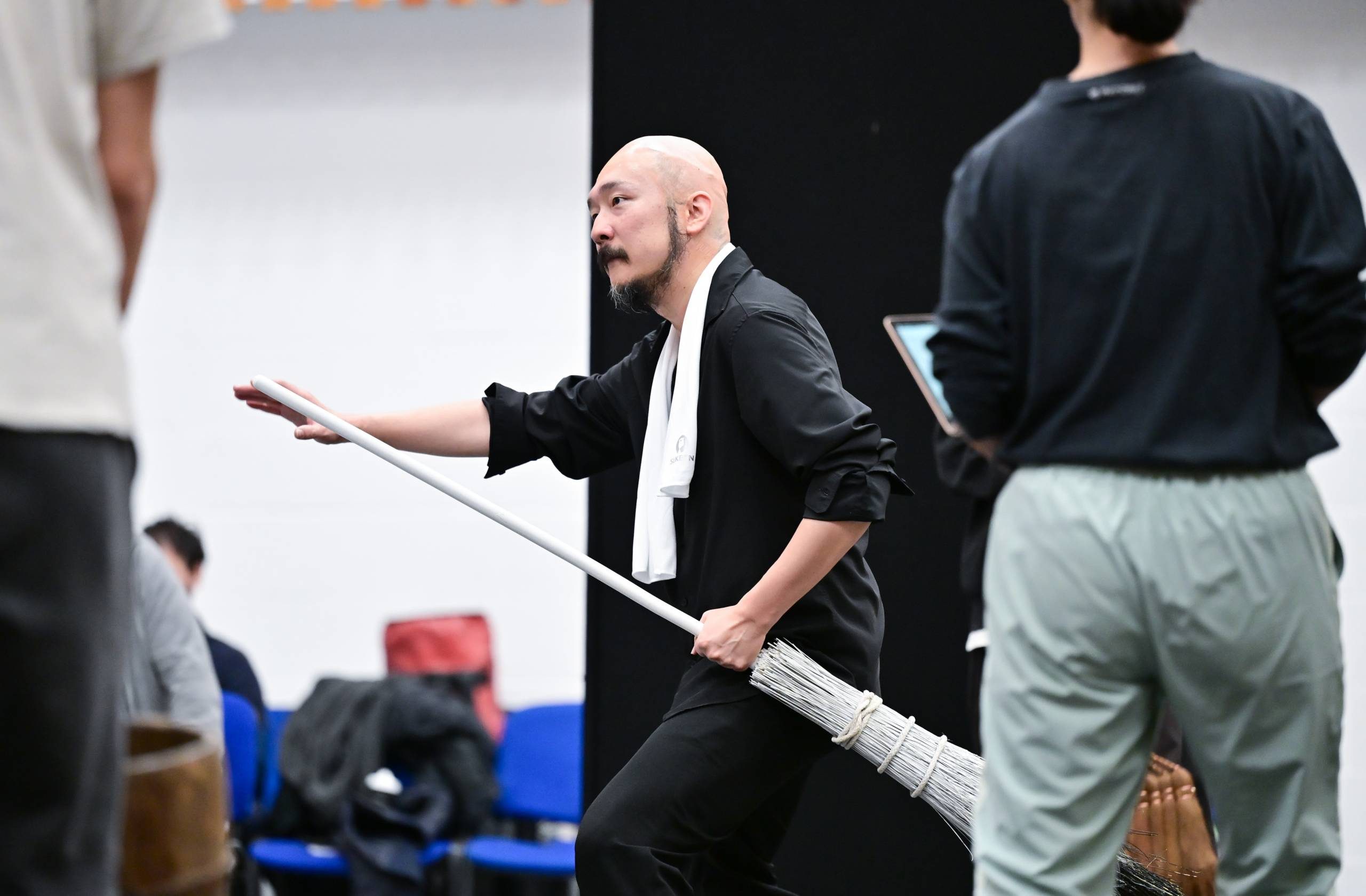
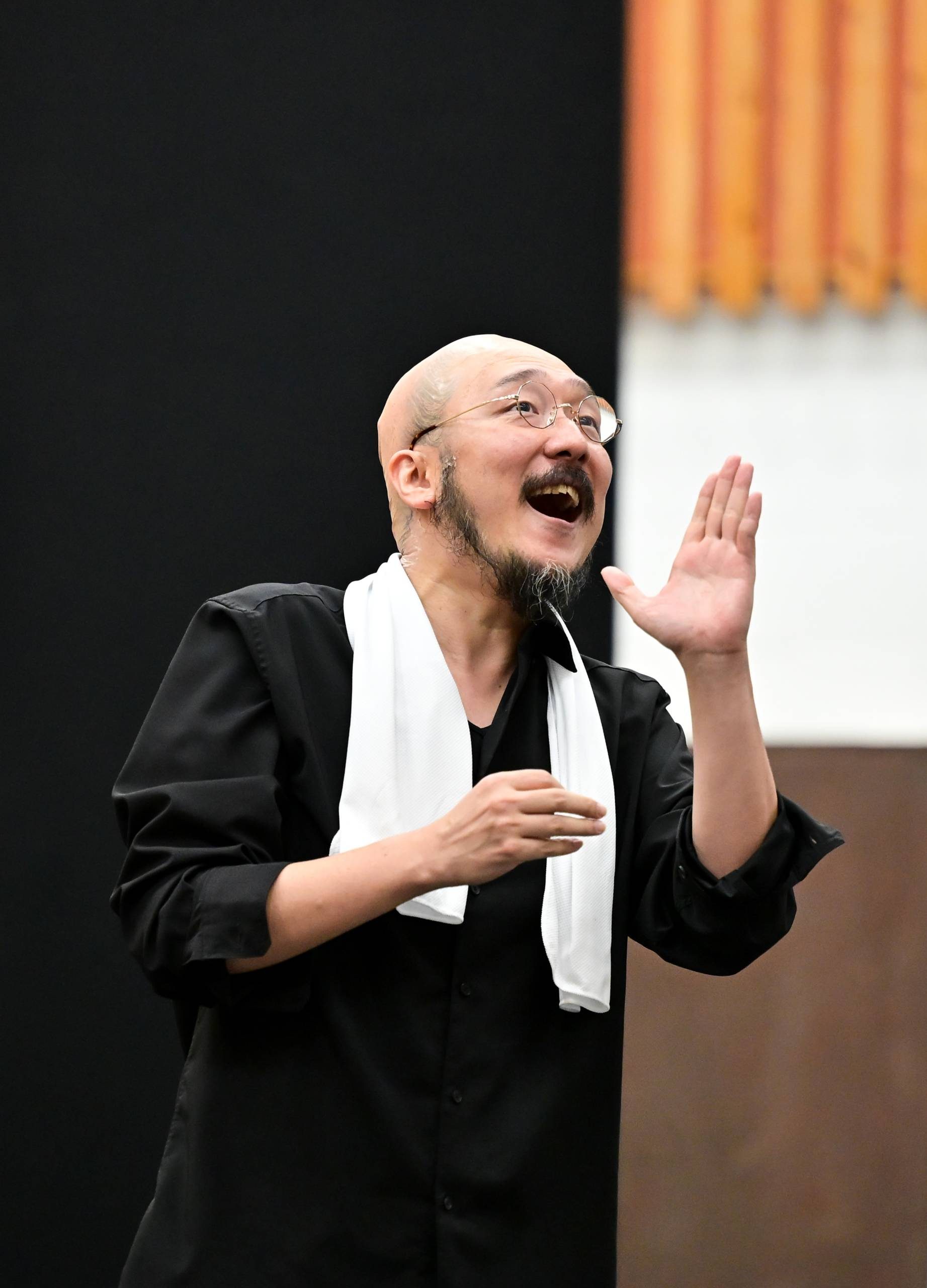
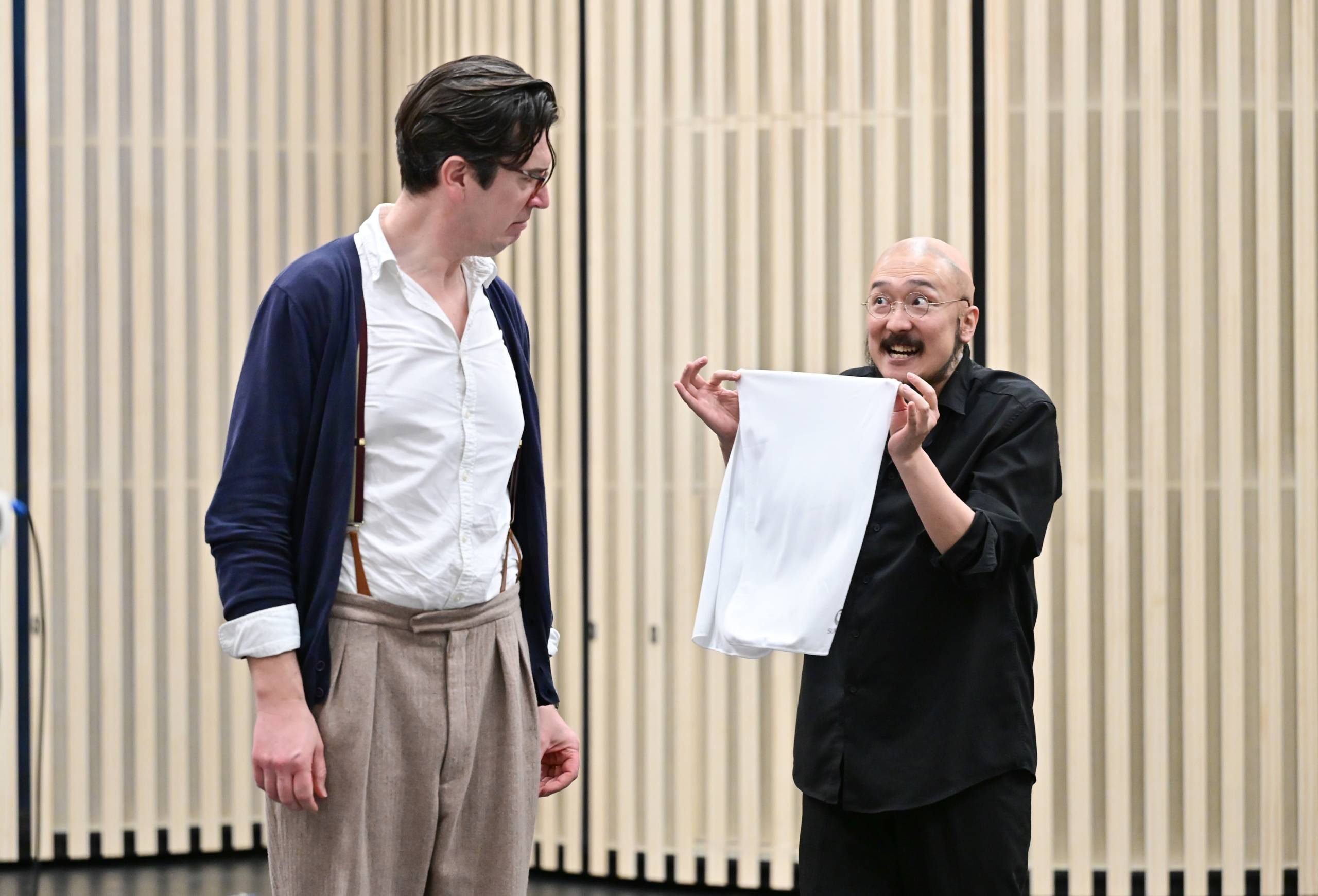
Tell us what inspired you to create The Great Wave.
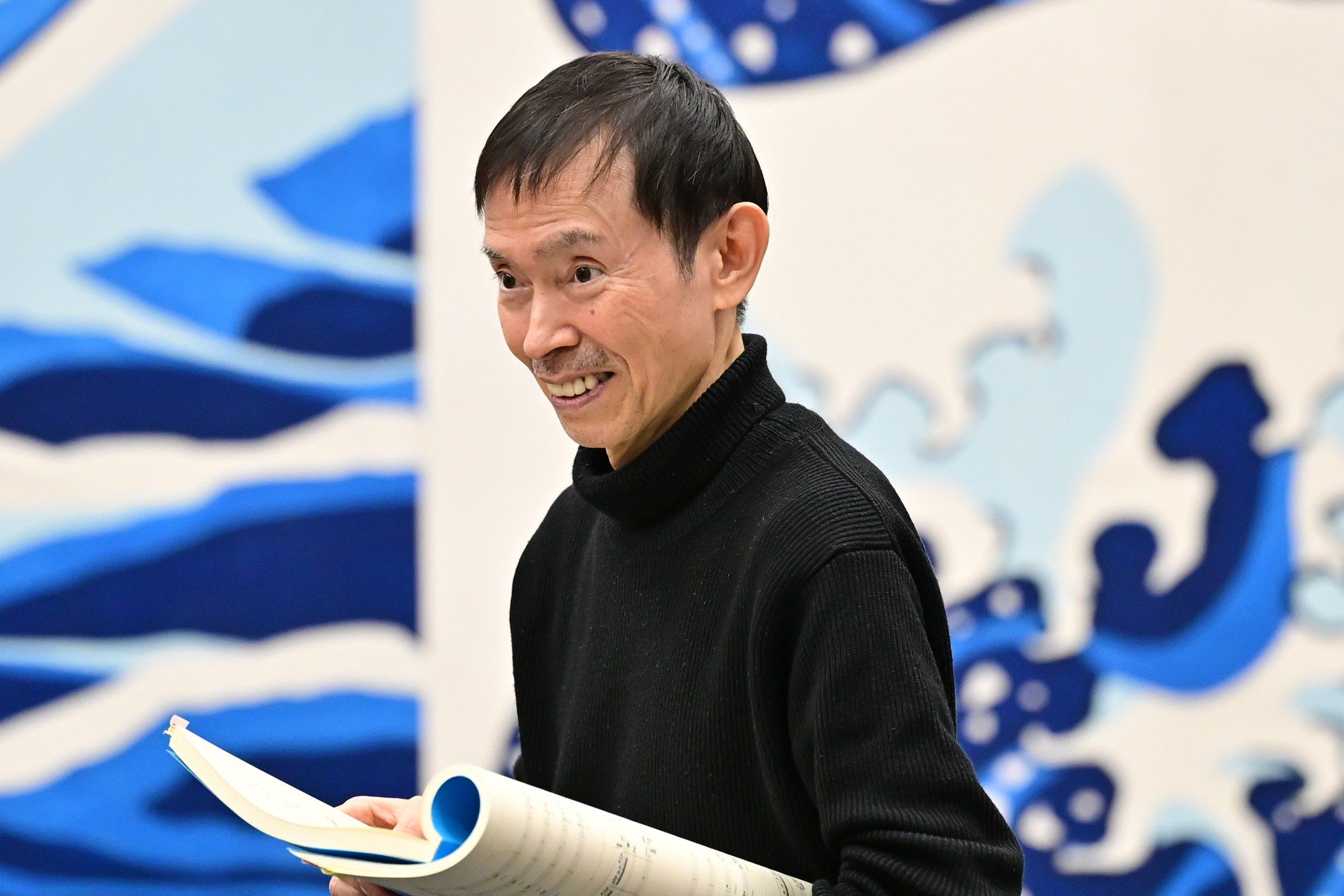
Dai: I went to see the Hokusai exhibition at the British Museum with my family in 2017. At that point, I only knew the name and his famous print of the wave, but that was it. It was such a beautiful, powerful exhibition – we were moved by everything and I bought a book from the gift shop, written by Timothy Clark. Some time later, I was working on my third opera with Harry Ross, A Dream of Armageddon, when my wife suddenly suggested I make an opera about Hokusai. I thought this could be really interesting, as the exhibition had already told us what a crazy life he had. He lived until he was nearly 90 and so many things happened to him, for example, his house burned down with a lot of his pictures in it and he was struck by lightning twice. But he still kept going and worked until the end of his life. He had a special relationship with his daughter, who was a great artist herself and ran his studio. As an opera composer, I’m looking for a dramatic story that I can create, and Harry happened to know a lot about Hokusai. The opera marks the first time I have written music about a Japanese subject. In contrast to the darker portraits of many European artists, Hokusai emerges as a bright force of nature and positivity who was constantly creating new work. He was such a strong character – as he got older, he got stronger, and his plan was to live until he was 110 to become the ultimate artist. We met the author Timothy Clarke and he was very generous, he was so excited that we wanted to do this opera. The pandemic affected the timeline, so there was a long delay and we pitched this opera everywhere to lots of rejections. However, nine years later, we have our premiere this February.
How did you form your artistic partnership?
Harry: I was a singer and wanted Dai to compose music for my final exam. We were also in the same composition seminar – lots of us from that class are still in touch. That’s how our collaboration began. Dai also wanted to create a chamber opera for his final recital, so we formed a collaboration. Since then, we’ve worked on songs, choruses, choral works, musical theatre – literally everything. We create the music, words, story, and all aspects of the opera together. He’s not waiting for me to deliver the work and then do his part. I’m a playwright and librettist but a musician first. Lots of composers have had disagreements with their librettists in the past, but it helps to be able to fully understand the music. This collaborative approach especially applies in The Great Wave.
Could you describe the score for The Great Wave?
Dai: It’s an orchestral score for a similar size orchestra to the one used in Don Giovanni, and then we’ve got solo singers and a chorus. Harry and I love placing the chorus in an important role – sometimes as mourners in a funeral, sometimes as villagers, kids in a town, all sorts of things. I’ve written a lot of orchestral works in my career and I always feel free when writing for an orchestra. You can do so many things – create tender moments, more intimate scenes, thunderous sounds, and so on. It’s great for adding dramatic effect and it’s very well suited to the story.
How did you go about collaborating and crafting the libretto?
Dai: The way we work together is informed by the fact that Harry is a musician and singer. It’s very easy to collaborate with him. Harry sends me a draft and we develop the story – act by act, scene by scene. Depending on how my music evolves, I ask Harry to edit different bits, and we’ll work on it together at the same time. As the opera centres on a Japanese subject, I could also tap into my memories. I could imagine some of the characters as people I know. It was also interesting to explore how to convey the moments when Hokusai gets ill, for example, and he recovers by drinking yuzu tea. My grandparents are farmers who made yuzu, so I’m familiar with this scent and know how it infuses a room. The yuzu citrus translates as harmonics in the strings and we have this warm sun on stage. Harry fully understands this and my online chat with him is always open when I’m writing music – I’ll ask him to make edits in the moment.
What were your favourite experiences at Trinity Laban?
Dai: I think there were many ways in which my years at Trinity Laban were the most important time in my life. I met my wife here and the conservatoire offered so much creative freedom. My teacher Daryl Runswick fostered this free environment – if I wanted to have any performances of my composition, he would encourage me to persuade the musicians to perform them. I waited at the entrance to practice rooms and constantly spoke to performers. This complete communication with the musicians I write for is something I use right now – I’ve got a 60-piece orchestra performing in this opera. I felt like I had the full package experience with Trinity Laban, and I of course met my long-time artistic collaborator here too. By the time I left conservatoire, I was already a semi-professional composer, earning money from my compositions. I practically lived at Trinity Laban, even going in on weekends, and I was just so happy. I knew this was the time when I would meet like-minded people who also just wanted to do music 24/7. I felt like there were no boundaries of genre too – we were encouraged to explore any music that interested us.
Harry: The best thing about the course was the fact that it was very modern. I got to dive into music management and administration as well, as the Vocal Studies Department were kind enough to let me assistant direct some of their opera productions. This experience meant that I could do other things while also honing my performance skills.