
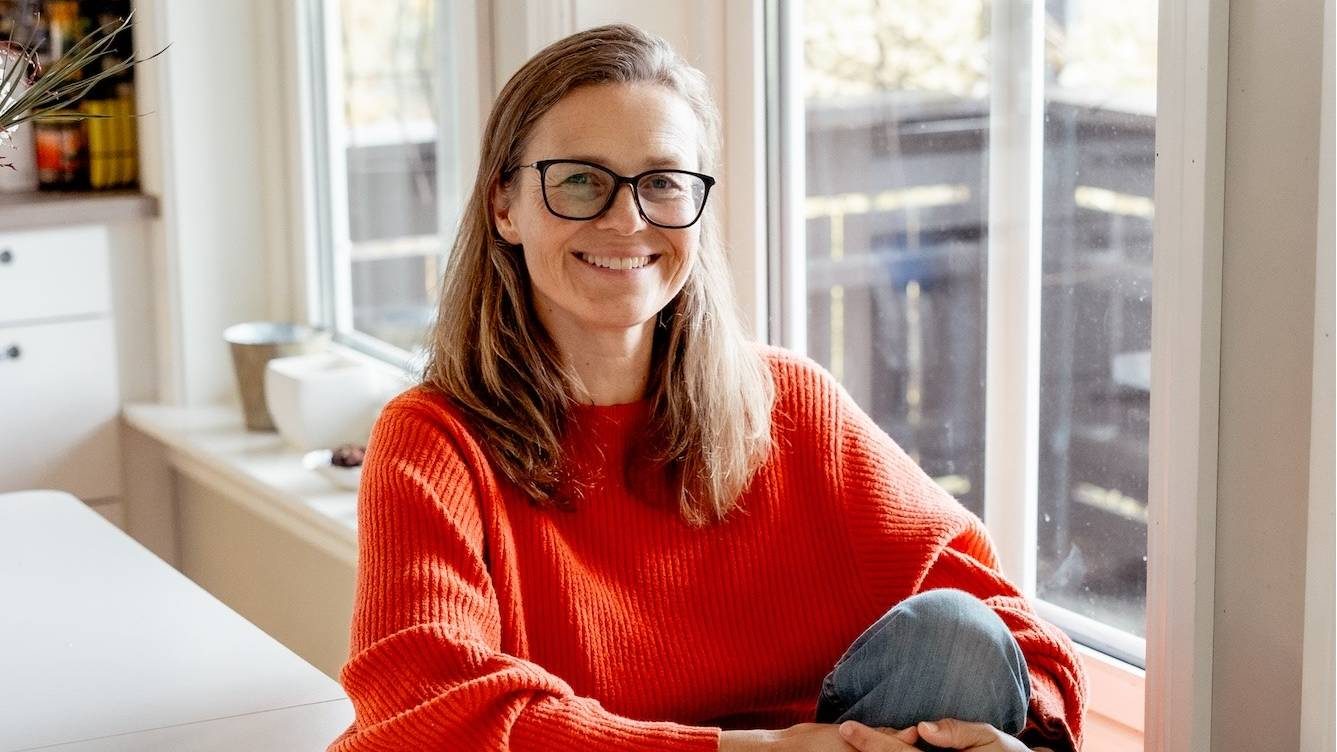
The Power of Collaboration: in conversation with Stine Nilsen
Growing up in Norway, Stine initially considered a career in physiotherapy or optometry before realising that dance could offer both an academic qualification and a creative vocation. “I had a great teacher who trained at Juilliard in New York,” she recalls, “and she introduced me to Limon technique. I got really hooked on that.” There were limited opportunities for dance training in Norway, so encouraged by her teacher, she auditioned for what was then The Laban Centre (now Trinity Laban) and moved to London.
At Trinity Laban, Stine did more than simply develop technical and creative skills. She gained exposure to the wider dance community. The diversity of students and training methodologies at Trinity Laban had a profound impact on her. “We came from different backgrounds, with varying levels of experience, and that mix influenced me. It taught me to be open, to embrace difference, and to always keep learning,” she says.
After her undergraduate studies, Stine spent a year with Trinity Laban’s Transitions Dance Company, gaining both a diploma and stepping stone into the professional world. Then, she said, “I needed to prove that I could get a job. So, I started taking classes, doing freelance work, and gradually, one opportunity led to another.” One of her first major professional engagements was with the Jeremy James Company, which in turn opened doors to further collaborations within the London dance scene. She also began to teach alongside her practice. The next major step in her career journey came when fellow alum Pedro Machado encouraged her to attend a workshop with Candoco Dance Company, where he was a dancer. ”I did that, and then I was invited to join the company when they were restructuring… that was full time for seven to eight months of the year.”
Candoco is a ground-breaking professional and inclusive dance company, founded in 1991 by Celeste Dandeker-Arnold and Adam Benjamin, that developed out of inclusive workshops at London’s Aspire Centre for Spinal Injury. “Celeste was very generous in terms of involving us in some of the thinking around choreographers, the workshops we were delivering… it felt like there was the room to take ownership and leadership within the company. I think that was one key element to building an awareness of how I might want to continue working.”
With her thoughts on the question of how she wanted to continue working, Stine also took on a part-time practice-based master’s, focusing on technique teaching and inclusive technique teaching. “We were involved in looking at the curriculum for higher education, because at around this time there was the new Disability Discrimination Act going through Parliament.” Stine explored the extent to which the curriculum and the practice of dance were inclusive.
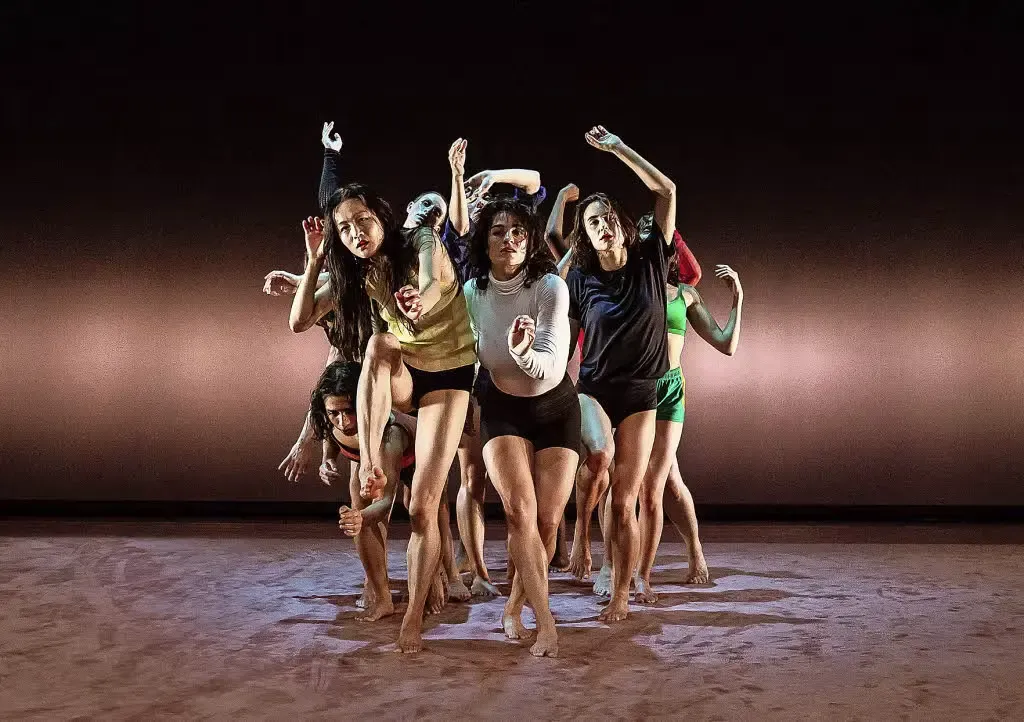
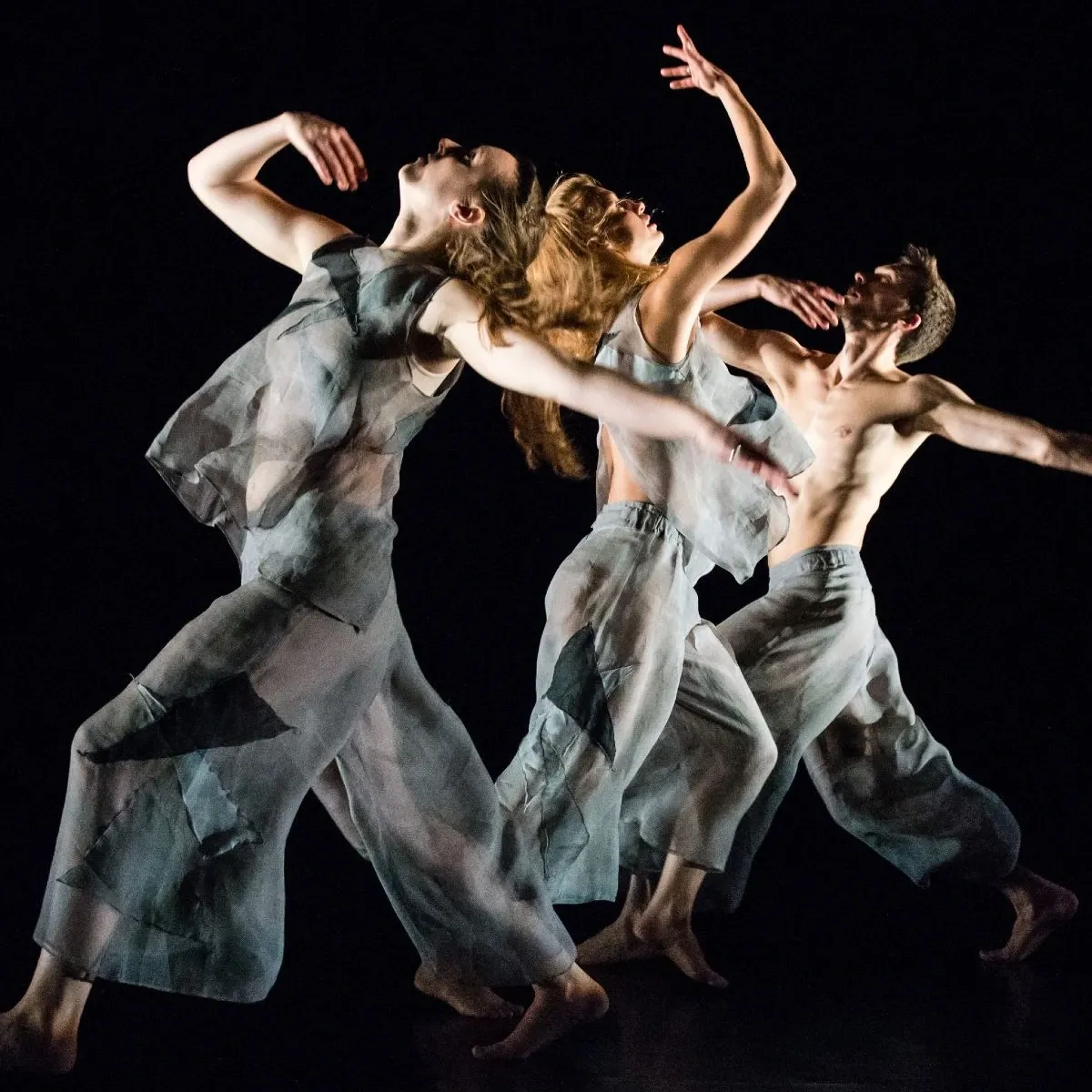
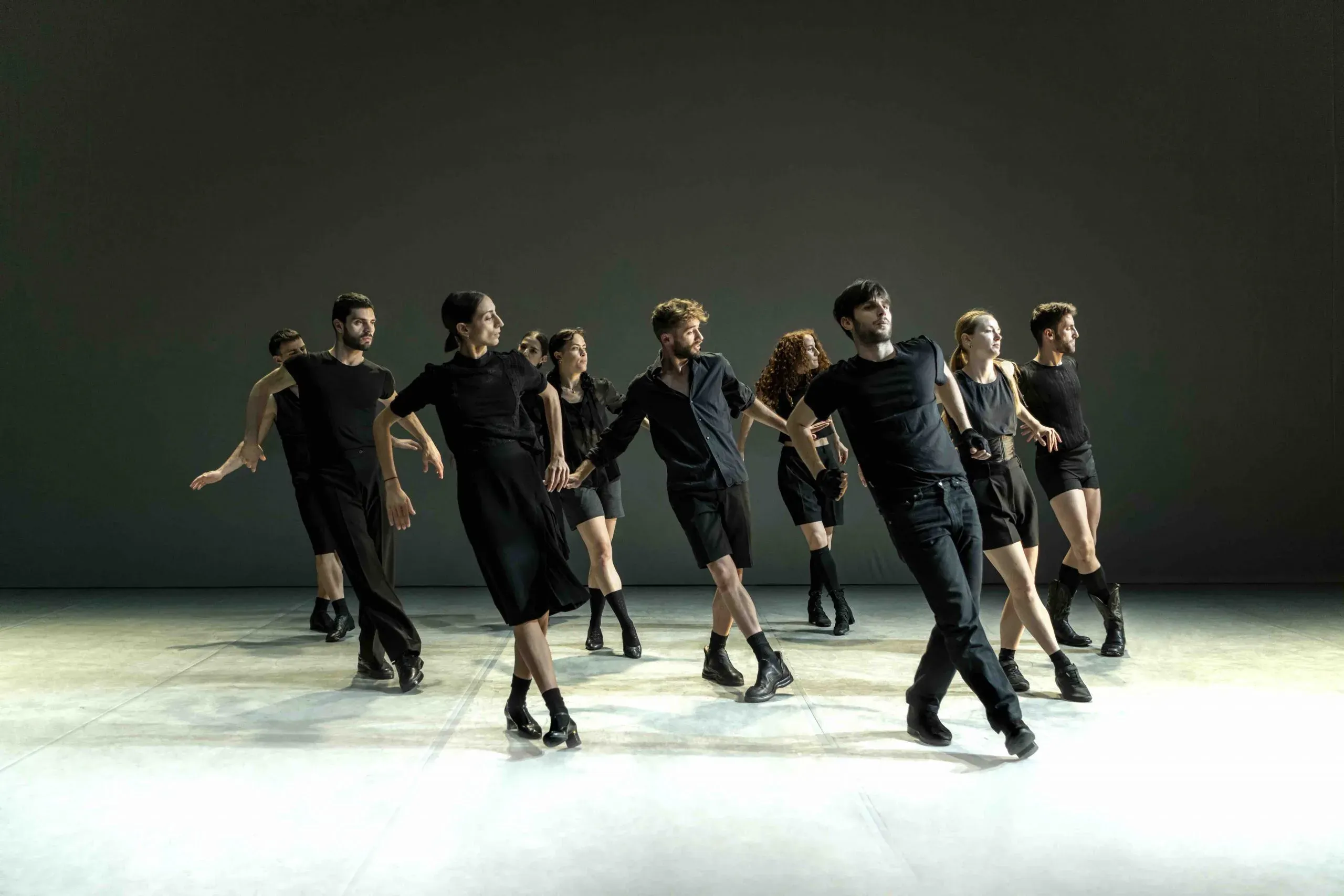
Photos from CODA International Dance Festival


“I think I tried to do the master’s thinking ‘How do I move out of dance?” Stine says, at the time considering how to have a family and a stable income when she was used to freelancing and performing. But what the course made her realise was that her expertise and knowledge really were in dance, and she could explore other ways to use them. She therefore joined a pilot mentoring scheme from Dance UK which focused on encouraging dance artists to become leaders in the field, and explored what it meant to work more administratively. Stine’s mentor was fellow Trinity Laban alum and Honorary Fellow, the late Emma Gladstone, whom she described as “inspiring and just very driven”. She discovered that there were a lot of things to learn, but the way to learn is through applying your skills, seeking knowledge, and seeking people.
When in 2006, Celeste decided to retire from Candoco, Stine and Pedro successfully applied for the role of Artistic Director as partners. As company members, they felt the trust being placed in them to make the jump from dancers to artistic directors, and at the same time also support the company along the way. Stine remembers the positives of working in partnership: “we could question each other, we could support each other, so that was a brilliant way to grow, I think, as a leader.”
The role involved not just artistic decisions but also strategic planning, mentoring, and outreach. “We were not just performing; we were developing the company’s direction,” she says. “We were working closely with choreographers, dancers, funders, and audiences. It was about making sure Candoco’s voice was heard both nationally and internationally.” After ten years at the helm of Candoco, they felt that it was time for new leadership with new ideas and Stine had grown in confidence. “I think I also felt OK, maybe I can stand on my own two feet, maybe I could lead an organisation by myself, and let me try that. That’s my next challenge. Let me go for that next challenge.” she said. She knew that the next challenge would take her out of London, but in fact it took her back to Norway: “The CODA International Dance Festival was also changing leader from the founder to a new leadership. In a way, it was something that I felt I’d experienced before:
This vulnerable position when something coming from an individual drive for creating change is going to be passed over to someone new.”
How would you safeguard that and how do you develop it?
First, Stine had to understand the role of the festival as the dance landscape in Norway had already shifted since its foundation in 2002. Then, she needed to build new context within the festival scene and up her programming skills. “I was used to programming one new show a year with Candoco as a repertory company”, she notes, “and suddenly it was 20 showings in two weeks for the festival.” Once more, she turned to mentors to support her. “I was coming back to Emma Gladstone still, making use of that relationship” and she reached out to other producers and choreographers who she had connected with over her career.
“Coming from the UK, I noticed that the Norwegian dance scene had very high production values, but there wasn’t the same push for outreach, diversity, or accessibility,” she reflects. “I mean, it’s not like I have to go to Norway and start a Candoco, that’s not what I what I’m driven by, but I realised after a couple of years that I am driven by creating that choice for people, whether those are artists or audiences. So therefore we need to create access because that offers choices.” So through her tenure, Stine ensured that CODA not only showcased international dance but also supported local artists and engaged with wider audiences.
In August 2024, Stine stepped up to her next challenge as Artistic Director of Dansens Hus, Norway’s national venue for dance, a large organisation with 40 employees. In the role, Stine will develop the artistic programme, but she shares that there is more to the role than that. “Thinking about development for the Norwegian scene and co-production with the Norwegian scene, and also continuing to build a good reputation, in the cultural field. And I think, ultimately seeing, together with other cultural organisations, how we bring culture, the arts and dance specifically onto the social agenda somehow,” she says.
She and her team will need to explore questions around “do we program more broadly? Do we have to? Can we support the more experimental art of dance?” It’s clear that this is a challenge that Stine relishes. Talking to Stine, there are several things that seem to have characterised her career to date: starting right back with her decision to come and study at the Laban Centre. “I’m not afraid of collaborations,” she says “and I think dialogue is super important.” It’s also clear that the role of technique in dance is important to her. “Because it wasn’t that you had to have technical skills to be a good dancer,” she says, talking specifically about disabled dancers. “But to have the choice to develop technical skills and then to throw that out the window or to make use of that in your own way… I think my belief is that there’s something around being able to access technique of some kind that offers you the choice to go away from it or to stick with it.”
Stine’s desire to balance professional ambition with personal life has shaped her career. “As my family always says, my work comes first,” she laughs. “But I feel privileged. I have managed to have a family, raise two boys, and pursue a fulfilling career.” Her journey is an inspiring reminder that dance is not just a career—it’s a lifelong exploration of creativity, leadership, and the power of movement to connect people across cultures and communities.