MA/MFA Creative Practice: Transdisciplinary
Course details
Introduction
Do you have a background in performance, visual arts, movement or other expertise and want to combine this with wider creative practice? The MA/MFA Creative Practice: Transdisciplinary course will enable you to combine your skillset with leading dance and movement practitioners to develop your creative practice.
The programme gives you a chance to choose from a range of modules that suit you, including Writing the Body, Performance Making, Dance and the Moving Image, Embodied Practice and Body, Space and Place. This flexible curriculum lets you develop existing specialisms and pursue new skills.
Key Features
Core Modules on this course include Research Lab, and an independent research Project.
The MA Creative Practice is a one-year (full time) or two-year (part time) course. You can expect 1800 notional learning and teaching hours with average contact time of approximately 55 hours per module.
The MFA Creative Practice is a two-year full-time programme. You’ll share the first year with the MA and your second year revolves around an extended independent project. There are 2600 notional learning and teaching hours with average contact time of approximately 55 hours per module.
This programme is undergoing a periodic revalidation in 2025-26. Any subsequent updates to the programme curriculum and structure will be published in spring 2026 and all applicants will be notified.
Key Facts
- UCAS
- MA: 701F (full-time), 701P (part-time) MFA: 802F (full-time)
- Duration
- MA: 1 year (full-time), 2 years (part-time) MFA: 2 years (full-time)
- Location
- Laban Building
- Start Date
- September 2025
Fees
Audition fees
Please note that there is no audition fee for this course. You will only need to pay the UCAS Conservatoires administration fee of £28.95 for the 2026 entry cycle.
2025-26
- MA Creative Practice: Transdisciplinary (Full-time)
- Home £10,950 International £23,200
- MA Creative Practice: Transdisciplinary (Part-time)
- Home £6,160 International £13,040
- MFA Creative Practice: Transdisciplinary Full time
- Home £6,350 International £14,320
- Info 25/26
- Fees represent 2025/26 year only, programmes with more than one year are subject to fee increases after the first year
- MA Creative Practice (Full-time)
- Home £10,950 International £23,200
- MA Creative Practice (Part-time)
- Home £6,160 International £13,040
- MFA Creative Practice (Full-time)
- Home £6,350 International £14,320
2026-27
- Info 26/27
- Fees represent 2026/27 year only, programmes with more than one year are subject to fee increases after the first year.
- MA Creative Practice (Full-time)
- Home £11,390 International £24,130
- MA Creative Practice Year 1 (Part-time)
- Home £6,410 International £13,560
- MA Creative Practice Year 2 (Part-time)
- Home £6,670 International £14,100
- MFA Creative Practice (Full-time)
- Home £13,460 International £30,380
- MFA Creative Practice Year 1 (Full-time)
- Home £6,600 International £14,890
- MFA Creative Practice Year 2 (Full-time)
- Home £6,860 International £15,490
Key Dates
-
Applications open on UCAS Conservatoires
-
On-time application deadline on UCAS Conservatoires. Applications will be considered after this date.
-
Deadline for applying for a financial award (you should have submitted an application on UCAS Conservatoires and Embark prior to this). You may be considered for financial awards after this date, but funds will be limited.
-
Open Day
Find out more -
Welcome Week
See institutional term dates
Detailed Information
Depending on which modules you choose, learning will take place in a variety of ways including, lectures, workshops, seminars, reflection and peer review through sharing of practice, and theoretical study.
The teachers at Trinity Laban embrace different learning styles and visiting lecturers and artists brings a variety of views and approaches from current fields of practice.
Your assessment formats include practical presentations with supporting documentation, proposals and essays. Peer review is an important part of the course and provides opportunities for collaboration with your fellow students.
Entry Requirements
To study with us you’ll need:
Normally a UK undergraduate degree in an appropriate or related subject, or an overseas award of equivalent standard.
Applicants without formal qualification, who may have the appropriate levels of professional experience are invited to complete Trinity Laban’s recognition of prior learning (RPL) process.
English Language requirements (if applicable):
• you will need IELTS Band 6.5 overall with a minimum of 5.5 in all four areas (Academic Test) or above (or equivalents). For more information, visit our English language requirements page.
• If you require a Student visa to study in the UK, please be aware of its English language requirements, as they may differ. Secure English Language Tests and levels can be found at gov.uk. Meeting external requirements of UK Visas and Immigration is essential.
MFA Applicants:
You will be required to submit an initial project proposal, in addition to your application, outlining the following:
• The reasons you wish to carry out an independent project over one academic year.
• Why you are suitable for extended independent research
• What your intended research might look like and a draft projected timeline with indicated outputs of research (which may be subject to change).
Who is this course for?
The Transdisciplinary pathway welcomes artists and creative practitioners at varying stages of their career. You may have a background in physical theatre, design, film, visual and live art, contemporary performance or circus.
The programme will be particularly suited to you if you are wishing to pursue portfolio careers that might include performance and performance-making, teaching, movement direction, and multimedia and cross art practice.
We welcome applicants from all backgrounds and we particularly encourage applications from different underrepresented groups.
How to Apply
First, you’ll need to submit your application on UCAS Conservatoires.
14 Jan 2026 – Postgraduate on-time deadline to submit both a UCAS Conservatoire application and Embark materials. We will accept applications after this date, but would recommend aiming for this deadline if you would like to be considered for a financial award.
20 April 2026 – Postgraduate Spring submission date. If you apply on UCAS Conservatoires and submit your Embark materials by this date, you will still be considered for financial support but there will be less chance of success.
Once you’ve submitted your application, you’ll be sent more information about the recorded material you should submit via Embark. This information can also be found under Recorded Materials for Postgraduate Dance on this page.
You can contact us at admissions@trinitylaban.ac.uk for more information.
Staff
Key Faculty

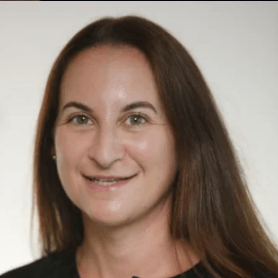
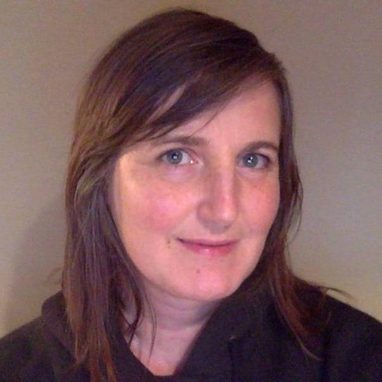
Dr Naomi Lefebvre Sell
Programme Leader
Teaching Staff
-
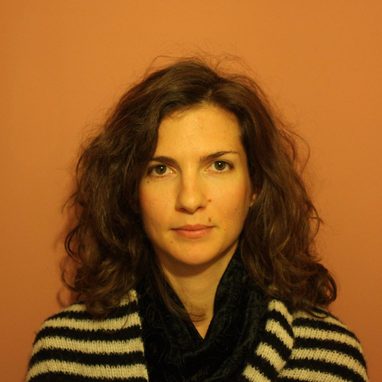
Zoi Dimitriou
Zoi Dimitriou
Lecturer in Dance
-
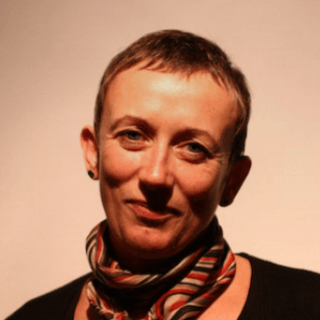
Henrietta Hale
Henrietta Hale
Lecturer in Dance
-
Dr Vanio Papadelli
Dr Vanio Papadelli
Lecturer in Dance
-
Becky Edmunds
Becky Edmunds
Lecturer in Dance
-
Melanie Clarke
Melanie Clarke
Lecturer in Dance

How to Apply – Dance
How to Apply
Take your next step
Fees & Your Finances
Explore your options
Audition information
Your guide